Questions to Ask Your Training Provider About BILD Act Certification
Before commissioning physical intervention or behaviour support training, asking the right questions of a provider can save your organisation significant...
Evidence-based articles on reducing restrictive practices, building therapeutic relationships, and creating safer environments across social care, healthcare, and education.

Before commissioning physical intervention or behaviour support training, asking the right questions of a provider can save your organisation significant...

PACE intersubjectivity describes the combination of Dan Hughes' therapeutic model and the shared emotional experience between a child and their carer. When...

Choosing the right physical intervention training is one of the most consequential safeguarding decisions a school makes. The provider you select shapes how...

The best physical intervention training makes itself unnecessary. What schools should expect from a course, how the law applies, and why prevention should take up most of the time.

Evidence-based Positive Behaviour Support (PBS) strategies, applied consistently and with proper functional assessment, can reduce...

On 1 April 2026, Ofsted updated the Social Care Common Inspection Framework (SCCIF) for children's homes. The SCCIF 2026 update sharpens the focus on...

Reducing restrictive practices in children's homes requires a whole-home shift: from reactive control to proactive, relationship-based support....

Trauma-informed vs Trauma-responsive: The Key Difference The terms trauma-informed and trauma-responsive are sometimes used interchangeably, but...

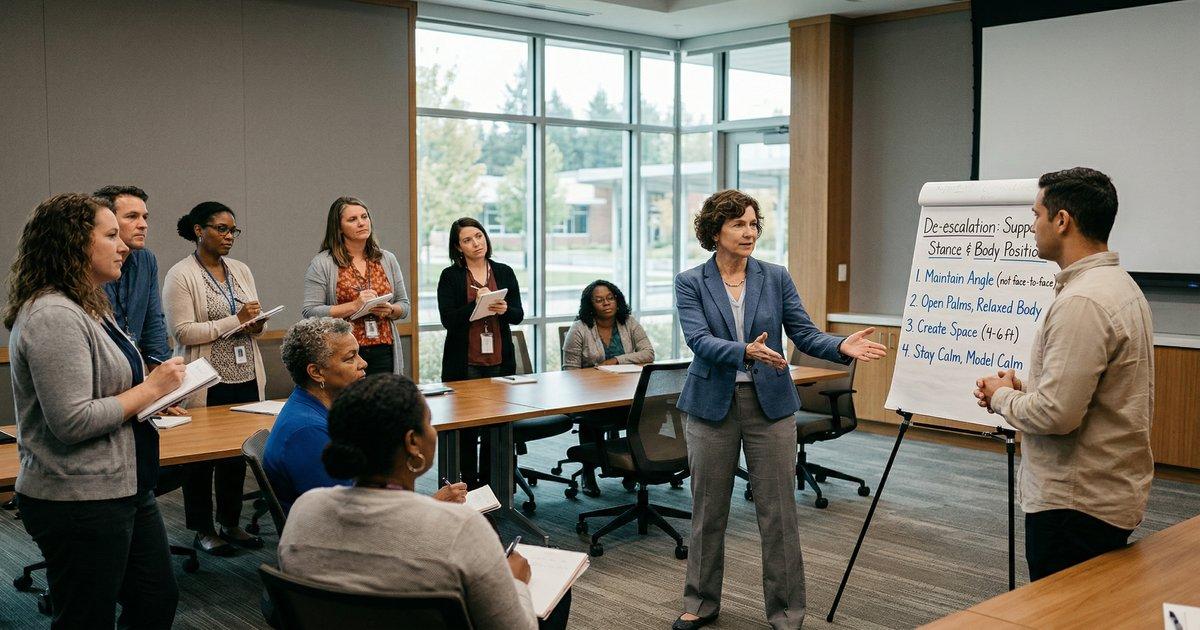
De-escalation Training: What to Look for in a Provider De-escalation training is one of the most important investments an organisation working with...

Self-regulation in the classroom is the teachable ability for pupils to notice what they feel, manage impulses, and return to a...

Most incidents can be prevented long before they start. How to identify triggers and setting events, offer real choice, and use noncontingent reinforcement so that difficult moments become rare.

Trauma-informed behaviour strategies for schools shift the question from "what is wrong with this pupil?" to "what has happened to this...

Healing through connection in children's homes is not a philosophy that sits alongside therapeutic care: it is the mechanism by which...

Building resilience in students’ mental health means strengthening a young person’s ability to adapt to stress, recover from setbacks, and...

Using positive reinforcement in schools effectively means more than handing out stickers or praise. It means understanding what motivates...

Adverse Childhood Experiences (ACEs) are stressful or traumatic events in childhood - such as abuse, neglect or household adversity - that...

Trauma-responsive care is a whole-team way of supporting people where behaviour is understood as communication of stress, fear or unmet...

Trauma can significantly affect learning because a child’s brain may prioritise safety over thinking, which can reduce attention, memory,...

Trauma-informed teaching is a relationship-led approach where adults build trust through safety, predictability and respectful repair, so...

Supporting emotional regulation in trauma-informed teaching is the day-to-day practice of helping pupils move from stress-driven survival...

Secure attachment is the trusting, protective relationship a child develops when adults respond consistently, kindly, and reliably -...

Dan Siegel’s 4 S’s of secure attachment is a simple relationship framework that explains what people need from the adults around them to...

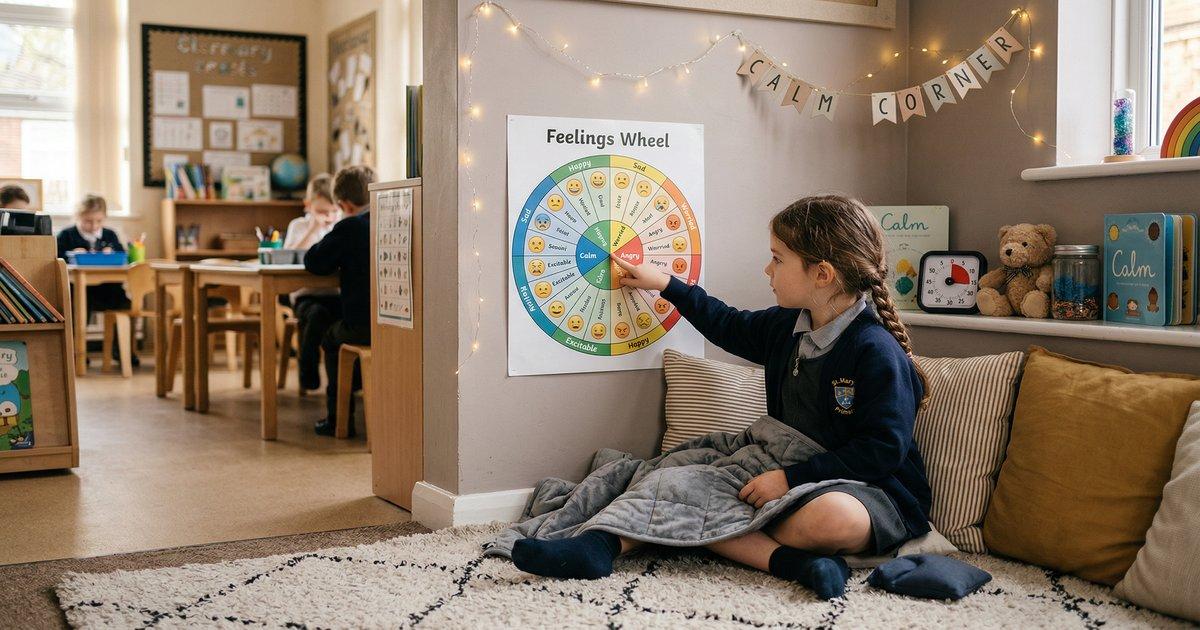
A trauma-informed classroom safe space is a planned part of everyday teaching that helps pupils feel physically and emotionally secure, regulate stress and...

Trauma-informed practice is a whole-organisation approach to support that recognises how trauma can shape behaviour, relationships and...