De-escalation training
Practical articles on de-escalation, how staff can defuse incidents safely, and the techniques that make the biggest difference in real settings.
View our de-escalation training →Showing 11 articles on this topic, newest first.

De-escalation strategies for autistic pupils in primary schools
An autistic child heading towards a meltdown is overwhelmed, not misbehaving. What adults do in the next few minutes decides whether they recover quietly. Nine strategies that work
How much does de-escalation training for school staff cost in the UK?
When you are budgeting for staff development, pricing can feel opaque. One provider quotes a modest half-day session for a small team, another proposes a...
Choosing a de-escalation training provider: a practical checklist for schools
When a school is updating its behaviour policy or responding to an increase in incidents, it is common to look for training that helps staff calm situations...
What Training Do Children's Home Staff Need?
When a person becomes distressed, staff need a response that is calm, consistent, and safe. The aim is to reduce risk without escalating the situation and...
What good de-escalation training for looks like in UK schools
When a person becomes distressed, staff need a response that is calm, consistent, and safe. The aim is to reduce risk without escalating the situation and...
De-escalation training for SEND schools: a practical checklist
SEND schools carry a complex responsibility: protecting pupils and staff while keeping learning relationships intact. When a pupil becomes overwhelmed, the...
How often should positive handling and de-escalation training be refreshed in schools?
There is no single statutory interval, but physical skills and de-escalation skills fade at different rates. A practical, risk-based plan for refresher training that you can explai
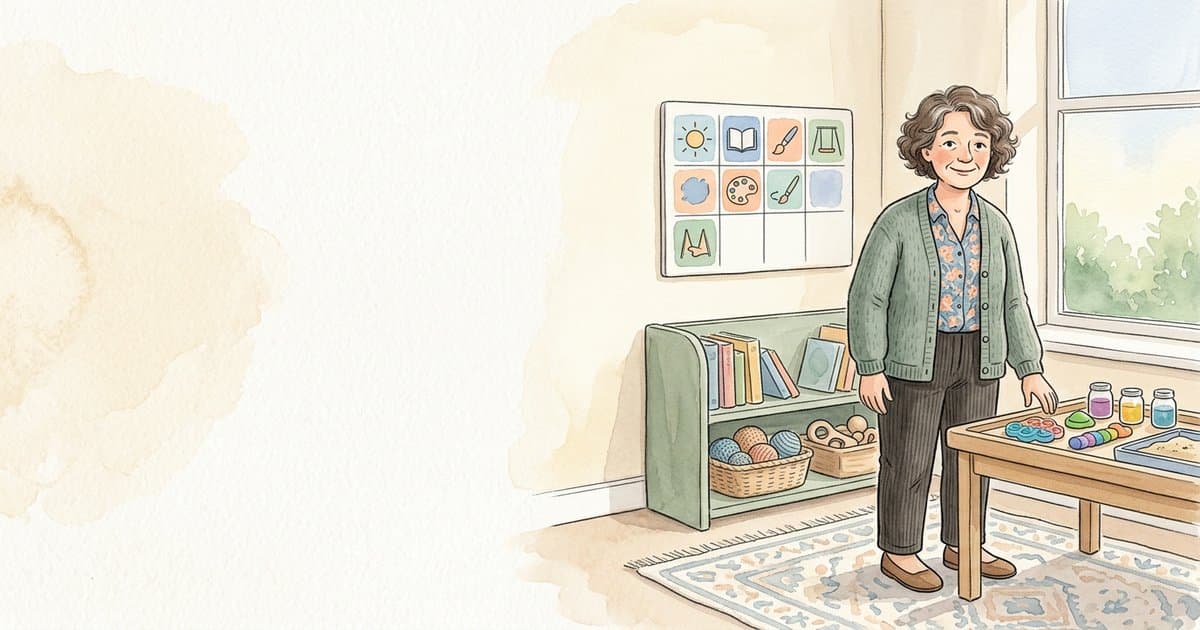
De-escalation techniques for teaching assistants: practical classroom strategies
Teaching assistants (TAs) are frequently the adults closest to a pupil at the exact moment a situation starts to heat up. That can happen during a...
What should de-escalation training for schools include? A curriculum checklist
School leaders are increasingly asked to evidence how staff prevent situations from escalating, support pupils with additional needs, and keep everyone...

De-escalation Techniques in Residential Childcare
De-escalation techniques in residential childcare are the verbal, non-verbal, and environmental strategies staff use to reduce tension and prevent distress...

De-escalation Training: What to Look for in a Provider
De-escalation Training: What to Look for in a Provider De-escalation training is one of the most important investments an organisation working with...