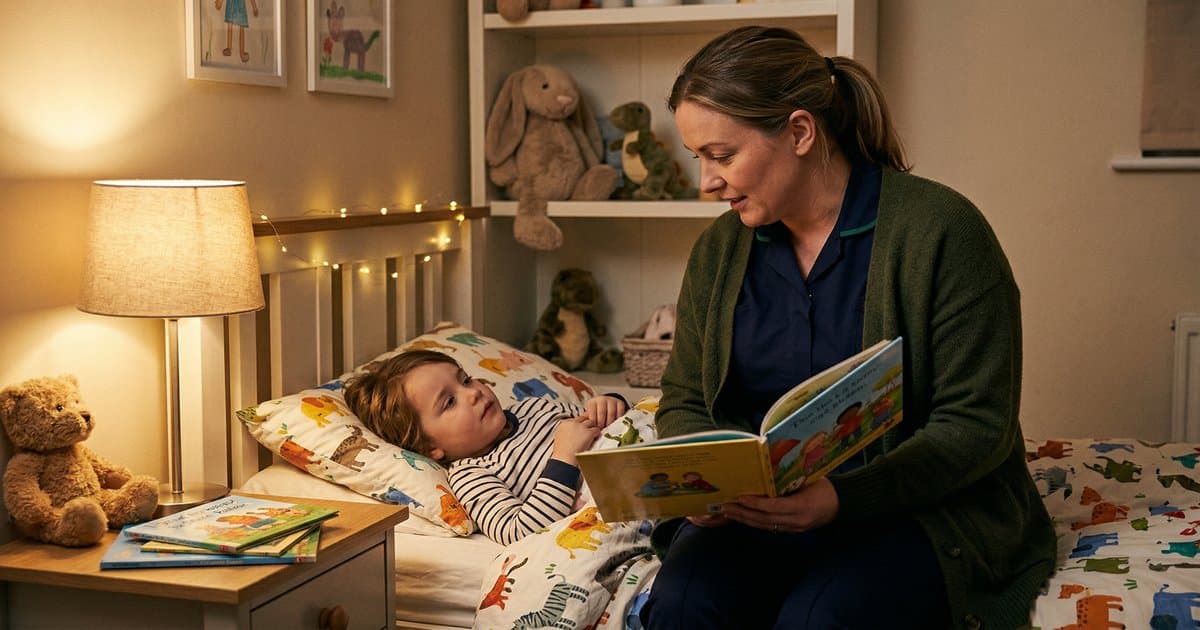
Secure attachment is the trusting, protective relationship a child develops when adults respond consistently, kindly, and reliably - especially in moments of distress. When secure attachment is in place, children have a safe base to explore, learn, and recover after adversity, which is why it is one of the strongest foundations for building resilience in children.
- Secure attachment is built through everyday consistency, emotional availability, and repair after relationship ruptures.
- Resilience is not a fixed trait - it grows through repeated experiences of safety, support, and manageable challenge.
- Children’s distressed behaviour often communicates unmet needs or perceived threat, not deliberate defiance.
- Co-regulation comes before self-regulation - calm adults help children borrow stability until they can do it alone.
- Predictable routines and boundaried warmth reduce anxiety and create the conditions for learning and recovery.
Why secure attachment matters for resilience
In trauma-responsive practice, resilience is often misunderstood as “coping better” or “bouncing back”. In reality, resilience is a developmental process. It grows when a child repeatedly experiences that someone will help them make sense of fear, disappointment, conflict, and repair.
Secure attachment gives children a felt sense of safety. That safety reduces the need for survival strategies such as shutting down, controlling, or escalating. When the nervous system is calmer, children can access learning, language, problem-solving, and relationship skills.
For practitioners, this matters because the moments that build resilience are not only the big interventions. They are the ordinary moments - greetings, transitions, reminders, tone of voice, and how we respond after things go wrong.
Resilience shows up in small, daily behaviours
In children’s homes and schools, resilience often looks like trying again after a mistake, accepting comfort, or coping with a change of plan. These are relational outcomes. They depend on whether the child believes adults are safe and helpful.
That is why sector context matters. Practice in a school has different pressures to residential care, but the attachment needs underneath distressed behaviour remain consistent.
Attachment in practice: what children learn from adults
Attachment is the emotional bond between a child and the adults they depend on. In secure attachment, children learn an internal message: “When I am upset, someone will notice, help me, and I will be safe again.” Over time, that message becomes an internal working model that supports confidence and emotional regulation.
When attachment has been disrupted by neglect, loss, domestic abuse, frightening experiences, or repeated placement change, children may expect adults to be unpredictable or unsafe. Their behaviour can become protective: pushing adults away, becoming clingy, appearing controlling, or escalating quickly when they feel vulnerable.
Connection comes before correction
When a child is distressed, their brain prioritises survival, not learning. If we move straight to consequences or compliance, we can unintentionally increase threat. A relational approach starts with connection: calm presence, simple language, and a steady boundary.
This is also where teams benefit from shared approaches to de-escalation and relational safety. Many organisations combine attachment-informed practice with trauma-informed practice training so staff have a consistent framework and language.
What strengthens secure attachment (even after trauma)
Secure attachment is not created by perfect adults. It is built through repeated experiences of “good enough” care, including repairing after rupture. Repair matters because it teaches the child that relationships can survive conflict without shame or abandonment.
In trauma-responsive settings, attachment-strengthening practice is often about predictability and emotional availability. The goal is not to remove all stress. It is to help children experience manageable stress while knowing a steady adult is alongside them.
Consistency without rigidity
Consistency is not about strictness. It is about being reliable. Children feel safer when routines are predictable, expectations are clear, and adults respond in a steady way across shifts, days, and environments.
Consistency also includes consistency after incidents. If staff respond with withdrawal, sarcasm, or avoidance after a challenging episode, a child may experience that as rejection. If staff return with warmth and boundary, a child learns repair and reintegration.
Warmth with boundaries
Secure attachment needs warmth, but it also needs boundaries. Boundaries reduce uncertainty. Warmth reduces threat. Together they create relational safety: “You are safe with me, and I will keep you and others safe too.”
How secure attachment reduces distressed behaviour
When a child expects adults to be unsafe or unpredictable, they may use behaviour to stay in control of perceived danger. That can include aggression, absconding, refusal, or sudden emotional collapse. These behaviours often make sense when viewed through a survival lens.
Secure attachment reduces the need for survival strategies because it increases predictability and trust. Over time, children learn they can ask for help, tolerate frustration, and accept support, rather than escalating to get an adult response.
Co-regulation builds self-regulation
Children learn regulation by borrowing it. A calm adult helps regulate breathing, voice volume, pacing, and language. Repeated co-regulation becomes internalised, so the child gradually develops independent coping skills.
This is also why restrictive responses can escalate long-term distress. If the child experiences adult responses as frightening or shaming, they may become more reactive and less able to recover. ProActive Approaches supports safer practice through BILD Act (RRN) certified training programmes designed to reduce restrictive practices, with many services aiming for an 80% reduction in incidents through relational and systems-led change.
Promoting resilience in teams and systems (not just individuals)
Attachment-informed work is a team sport. Children notice differences between adults. If one adult is warm and another is unpredictable, children will adapt - and sometimes their behaviour becomes more challenging as they test safety and consistency.
Resilience-building practice therefore needs aligned routines, shared language, and support for staff regulation. When staff are depleted, it becomes harder to stay attuned. When teams are supported, they are more able to remain calm, curious, and kind.
Create shared “what helps” plans
One practical step is to co-create simple, repeatable plans that answer: What does this child look like when stressed? What helps early? What makes it worse? What does repair look like after an incident?
For many services, it helps to combine this with Positive Behaviour Support training so strategies remain proactive, dignifying, and measurable.
Build capability through reflective practice
Reflective practice helps teams stay in a learning stance rather than blame. It also supports staff to notice their own triggers and responses, which is essential in relational work.
If you want to deepen this as a team, consider joining one of our open training dates and practice forums via events.
Practical application: strategies you can implement this week
- Start transitions with connection: use a consistent greeting, name the child, and offer a brief, predictable check-in before demands.
- Use a “calm script”: agree a few short, repeatable phrases your team uses during distress to reduce language load and threat.
- Plan for rupture and repair: after incidents, return with warmth, name what happened briefly, and re-establish safety without prolonged interrogation.
- Protect regulation for staff: build micro-pauses into the day, rotate high-intensity roles, and use debriefs that focus on learning not blame.
- Notice and reinforce coping: praise effort, help-seeking, and small regulation choices so children internalise “I can do hard things”.
FAQ
What is secure attachment in simple terms?
Secure attachment is when a child trusts that an adult will respond, protect, and help them settle when they are upset. It is built through consistent caregiving, emotional attunement, and repair after things go wrong. In practice, it looks like children seeking help, accepting comfort, and feeling safe enough to explore and learn.
Can secure attachment be built later, after trauma or placement change?
Yes. While early experiences matter, attachment patterns can change when children repeatedly experience safe, responsive relationships. In children's residential care and family support settings, this often happens through predictable routines, calm co-regulation, and reliable repair after ruptures. Progress is usually gradual and non-linear, especially when a child has learned that closeness is risky.
How do I support a child who rejects comfort or pushes adults away?
Assume the behaviour is protective rather than personal. Offer short, consistent moments of connection without forcing closeness. Keep boundaries clear and calm, and return after conflict with steadiness rather than withdrawal. Over time, the child learns you are predictable, and that they can have needs without losing dignity or safety.
What should we do after an incident to strengthen attachment?
Focus on repair and reintegration. When everyone is calm, use brief reflection: what happened, what the child needed, and what will help next time. Avoid shame-heavy questioning. A supportive return to relationship - “We are OK, and we will keep you safe” - is often the most resilience-building response.
When is specialist therapeutic support needed for attachment difficulties?
Seek additional help when distress is persistent, escalating, or linked to significant trauma, loss, or repeated placement disruptions, especially if carers feel stuck or depleted. Attachment-focused and trauma-focused therapies can complement relational caregiving by supporting emotional processing, caregiver-child interaction, and the child’s sense of safety in relationships.
Next steps: ProActive Approaches supports services to strengthen relational practice, reduce restrictive responses, and build safer systems through BILD Act (RRN) certified training. Explore our training options including de-escalation training, or book onto upcoming events to start building secure, resilient cultures across your team.