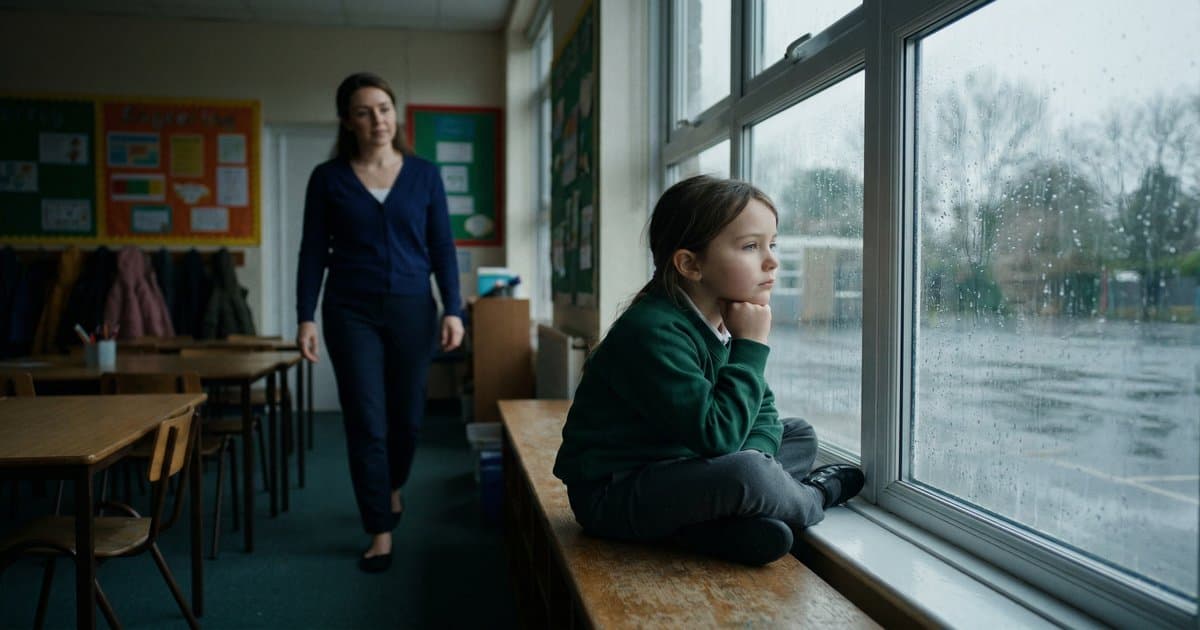
Adverse Childhood Experiences (ACEs) are stressful or traumatic events in childhood - such as abuse, neglect or household adversity - that can shape a child’s stress response, learning and behaviour. Trauma-informed teaching uses predictable routines, relational connection and regulation support to reduce threat, build safety and help pupils access learning without shame.
- ACEs can show up in school as attention difficulties, rapid escalation, shutdown, avoidance or behaviour that looks ‘defiant’ but is often protective.
- Safety and predictability lower stress load, making learning and co-regulation more possible.
- Connection comes before correction - relational consistency builds trust and reduces repeated incidents over time.
- Trauma-informed adjustments increase access without lowering expectations, by making tasks feel achievable and safe.
- Whole-school alignment matters most - shared scripts, calm boundaries and consistent routines reduce triggers across the day.
What are Adverse Childhood Experiences (ACEs)?
ACEs describe a set of adverse events that occur during childhood and are linked with higher risk of later health and wellbeing difficulties. The original ACE study identified ten categories, commonly grouped into abuse, neglect and household adversity. Examples include physical, sexual or emotional abuse, emotional or physical neglect, domestic abuse in the home, parental substance misuse, mental ill health, separation, or incarceration.
In practice, ACEs are rarely ‘one thing’. Adversity often clusters, and the accumulation matters. Research consistently shows a dose-response pattern - as ACE exposure increases, so do risks across a range of outcomes. What schools see most often is not a neat list of events, but the impact on attention, regulation, trust and behaviour.
It is also vital to hold a balanced view. ACEs increase risk, but they do not determine destiny. Protective factors - especially trusted, consistent relationships and timely support - can buffer impact and strengthen resilience. That is one of the reasons education settings can play such a powerful role.
ACEs are a lens, not a label
Trauma-responsive practice is not about diagnosing pupils or searching for disclosure. It is about noticing patterns, understanding stress responses, and designing learning environments that reduce threat and increase regulation. A child may never share what has happened to them, and they should not be pressured to. Your role is to create safety and to follow safeguarding pathways when concerns arise.
Why ACEs matter for schools and learning
Schools are often the most consistent place in a child’s week. For some pupils, they may also be the safest. That makes education settings uniquely placed to offer stability, predictable relationships and access to supportive adults. When staff understand ACEs, they are more likely to interpret behaviour as communication and respond in ways that protect dignity and belonging.
ACEs also matter because school experiences can either reduce stress or increase it. Highly punitive responses, inconsistent boundaries, public humiliation, or repeated removal can amplify a child’s sense of threat. By contrast, predictable routines, calm adult responses and relational repair can help the nervous system settle so learning becomes possible.
Whole-school approaches work best when they connect classroom practice with pastoral systems, safeguarding, SEND support and multi-agency working. That is where training and shared language help - not as a ‘new initiative’, but as a practical way to reduce repeated incidents and improve engagement.
Soft CTA: If you are building consistency across staff teams, explore upcoming CPD and workshops on our events programme.
How trauma can affect behaviour, relationships and cognition
When a child has lived with unpredictable stress, their brain and body can become highly tuned to threat. In a classroom, that can look like rapid fight, flight, freeze or shutdown responses, even when the trigger seems small to adults. A transition, a raised voice, a sudden change of plan, a perceived slight, or being ‘put on the spot’ can all feel unsafe.
Trauma can also affect working memory, planning, processing speed and attention. Pupils may start tasks slowly, forget instructions quickly, appear ‘dreamy’, or fluctuate between strong performance and sudden dips. Behaviour that is labelled as refusal may be overwhelm, shame, fear of failure, or a need to regain control.
Cognition and learning: reducing overwhelm
Stress reduces cognitive capacity. If a pupil is scanning for danger, they have less bandwidth for language, reasoning and problem-solving. Practical adjustments help: chunk tasks into smaller steps, model the first step, use visuals, and check understanding privately. Offer repetition without shame, and treat missed learning as a gap to rebuild, not a character flaw.
Emotion and regulation: co-regulation first
Many pupils need an adult’s calm nervous system before they can access their own. Co-regulation means your tone, pace and body language become part of the intervention. Slow down, lower volume, reduce language, and offer a clear next step. Consequences and reflection work later, once the pupil is regulated and able to think.
Attachment and trust: repair builds safety
Some pupils test adults because consistency has not been reliable in their past. They may push away help, reject boundaries, or misread adult intent. The intervention is not ‘being softer’. It is being steadier. Predictable responses, non-shaming boundaries, and intentional repair after conflict build trust over time and reduce repeated cycles.
Spotting signs of trauma in the classroom (without ‘diagnosing’)
No single behaviour confirms trauma, and staff should avoid labelling. Instead, look for patterns: what happens before the escalation, what soothes, what times of day are hardest, and what improves when routines are tightened. Use your safeguarding and pastoral routes, and document what you observe in clear, behaviour-based language.
Behavioural indicators
- Hypervigilance, startle responses, constant scanning of the room, or difficulty settling.
- Rapid escalation, aggressive outbursts, or ‘all-or-nothing’ reactions to corrections.
- Avoidance, withdrawal, refusal, repeated requests to leave, or sudden shutdown.
- Regression under stress - younger presentation, clinginess, or loss of independence.
Learning and attendance indicators
- Inconsistent performance - strong days followed by sharp dips after conflict or change.
- Difficulty completing tasks, especially in unstructured times or after social stress.
- Persistent lateness, absence, or repeated visits to pastoral and medical rooms.
Physical and wellbeing indicators
- Frequent headaches, stomach-aches, fatigue, or sleepiness.
- Heightened sensitivity to noise, touch, light, crowds, or busy corridors.
- Changes in eating patterns, self-care, or presentation that persist over time.
Trauma-informed teaching: what it looks like day to day
Trauma-informed teaching is not a script and it is not about excusing behaviour. It is a practical approach that reduces triggers, builds regulation, and restores access to learning. It combines relational practice with consistent routines and skilled de-escalation, so staff respond with calm boundaries rather than escalation.
At ProActive Approaches, our work is grounded in real settings and practical implementation. As a BILD Act (RRN) certified training provider, we support education teams to build consistent responses that protect relationships, reduce restrictive practices, and strengthen staff confidence.
Build safety through predictability
Predictability lowers stress. Use consistent routines, visual timetables, and clear transition signals. Pre-warn changes, explain what happens next, and keep instructions short. A pupil who feels safe is more likely to comply, engage and take learning risks.
Connection before correction
When pupils are dysregulated, logic and consequences rarely land. Begin with connection and co-regulation, then return to learning and reflection. Use calm, boundaried language such as: “I can see this is hard. I’m here to help you get back on track.” Keep choices limited and doable so agency returns without negotiation spiralling.
Regulation supports, not just sanctions
Behaviour systems work best when they include skills. Teach breathing, grounding and movement strategies when pupils are calm. Provide planned breaks, predictable ‘reset’ routines, and sensory supports where appropriate. Sanctions alone can reinforce shame and threat, which often increases future escalation.
High expectations with accessible routes
Trauma-informed adjustments are about access, not lowering standards. Reduce overwhelm with chunking, ‘first step’ prompts, and flexible ways to show learning (oral rehearsal, visuals, sentence stems). As regulation improves, gradually build stamina and independence. This keeps learning ambitious and supportive.
Mid CTA: If your team needs a shared approach to de-escalation and safe, consistent responses, explore our trauma-informed practice training and practical behaviour support programmes for education settings.
Working with families, safeguarding and multi-agency partners
Support is stronger when home and school feel aligned. Approach families with curiosity and respect, and share practical observations rather than labels. Many carers are used to being judged. A collaborative tone increases engagement and improves consistency for the child.
Within school, align the work through your DSL, SENCO and pastoral teams. Where appropriate, link with external professionals such as educational psychology, CAMHS and social care. Multi-agency working is most effective when everyone shares a simple plan: predictable triggers, early support strategies, and agreed responses during escalation.
Practical steps that build partnership
- Use regular check-ins focused on strengths, progress and what is helping.
- Ask, “What does calm look like at home?” and “What usually helps after a difficult moment?”
- Share short, specific strategies that can be used across settings (one script, one routine, one reset option).
- Document patterns and protective factors, not only incidents, to avoid deficit narratives.
Practical application: 5 implementable strategies you can start this week
- Audit the day for predictable triggers. Identify your top three escalation points (transitions, unstructured times, public correction) and design one micro-routine for each.
- Create a shared calming script. Agree 2-3 phrases staff will use during dysregulation so pupils experience the same message across adults.
- Teach one regulation skill explicitly. Practise a grounding routine daily when calm, and prompt it early rather than waiting for crisis.
- Use private, dignity-preserving corrections. Wherever possible, correct quietly at the pupil’s side, not across the room, and avoid public power struggles.
- Plan repair, not just consequences. After incidents, use a short repair conversation: what happened, impact, how we put it right, and one next-step plan.
FAQ
Do ACEs always lead to poor outcomes?
No. ACEs increase risk, but outcomes are not fixed. Protective factors such as trusted adult relationships, consistent routines, and timely support can buffer stress and strengthen resilience. Schools can have a significant protective role by offering stability and predictable responses, especially for pupils who experience inconsistency elsewhere.
Should teachers ask pupils about their ACEs or ACE score?
Usually not. In education settings, the priority is safety, safeguarding pathways, and supportive practice rather than seeking disclosure. Focus on patterns, triggers and regulation needs, and involve pastoral and safeguarding colleagues when concerns arise. Trauma-informed teaching works even when you do not know a pupil’s full story.
What is the first trauma-informed change a school can make?
Start with predictable routines and a shared relational response to behaviour. Consistency across adults is often the fastest way to reduce anxiety and escalation. Clear transitions, calm scripts, and repair after conflict can shift the atmosphere quickly, while longer-term work strengthens culture and staff confidence.
How do we balance trauma-informed practice with boundaries and consequences?
Trauma-informed practice is not permissive. It combines calm, predictable boundaries with regulation support and relational repair. When pupils are dysregulated, co-regulate first so safety returns, then revisit expectations and consequences once thinking is available. This approach reduces repeat incidents and protects dignity while maintaining standards.
How can we reduce restrictive practices and keep everyone safe?
Safety improves when staff intervene earlier and more consistently. De-escalation, co-regulation, environmental adjustments and shared routines reduce the likelihood of crisis behaviours. Where physical intervention is part of policy, it must be proportionate, lawful, and used within a clear prevention-first framework supported by training.
Next step: build confident, consistent practice with ProActive Approaches
If you want a whole-school approach that strengthens relationships and reduces escalation, ProActive Approaches provides BILD Act (RRN) certified training and practical coaching for education teams. Explore our specialist programmes in de-escalation and positive behaviour support, and see how we support settings across our schools sector hub.
Closing CTA: Ready to develop a shared, trauma-responsive approach? Browse our upcoming events or contact ProActive Approaches to discuss training tailored to your setting.