Trauma-informed practice
Articles on trauma-informed care, attachment, sensory and communication needs, and how the environment around a person reduces distress.
View our trauma-informed training →Showing 41 articles on this topic, newest first.
SEMH training for school staff: a practical guide
A plain-English guide for practitioners and managers in UK schools teams on the legal and regulatory framework relevant to SEMH training for school staff UK. Covers key duties, thr

What good trauma-informed training looks like in UK children's residential care
When a person becomes distressed, staff need a response that is calm, consistent, and safe. The aim is to reduce risk without escalating the situation and...
SEMH training for schools: what good provision looks like
SEMH stands for social, emotional and mental health. In schools, it is often used as a shorthand for a wide range of needs that can show up as anxiety,...
What good trauma-informed schools training looks like in UK schools
For a pupil whose distress comes from past trauma, the adult response matters more than any technique. What good trauma-informed training gives school staff, and how to tell whethe
Behaviour support planning in children's homes: preparing for Ofsted under SCCIF
In busy education, care, and support environments, staff can find themselves responding to intense moments with very little time to think. A clear plan, a...
SCCIF 2026: what inspectors expect to see in children’s homes
What SCCIF expects in practice for children’s homes, with simple ways to evidence impact, safety and leadership without creating an ‘inspection file’.

SCCIF 2026: a practical compliance checklist for children’s homes
When inspection expectations shift, the first thing most teams want is clarity: what evidence will matter, what will inspectors look at first, and what does...

Organisational Techniques for Teachers: Work Smarter
Organisational techniques for teachers are not simply time-saving tools: they are the structural foundations that make safe, predictable...

Attachment in Residential Care: Building Secure Bonds
Attachment in residential care is not a contradiction. Although children in residential settings have often experienced the most severe relational trauma,...

Tech Tools for Teachers: A Practical Classroom Guide
The best tech tools for teachers do more than save time or digitise paperwork. In a trauma-informed school, technology can actively support...

Time Management Skills for Teachers and Students
Time management skills for teachers and students are among the most practical and transferable tools a school can develop. For students,...

Empowering Student Voice in Schools: A Practical Guide
Student voice in schools is most powerful when it is genuine rather than performative. For children and young people affected by adverse...

Cultivating Creativity in Schools: A Practical Guide
Cultivating creativity in schools is not about producing impressive displays or filling the school day with art. For children and young...

Teaching Metacognitive Strategies to Students
Metacognitive strategies for students are techniques that help learners think about their own thinking: planning how to approach a task, monitoring their...

Building Cognitive Flexibility in Students: A Practical Guide
Cognitive flexibility in students is the capacity to shift attention, adapt to new information, and consider problems from more than one perspective. It is...

Trauma-Informed Physical Intervention in Residential Care
Trauma-informed physical intervention in residential care means understanding every episode of distressed behaviour as a communication of unmet need before...

PACE and Intersubjectivity: Understanding Children in Care
PACE intersubjectivity describes the combination of Dan Hughes' therapeutic model and the shared emotional experience between a child and their carer. When...
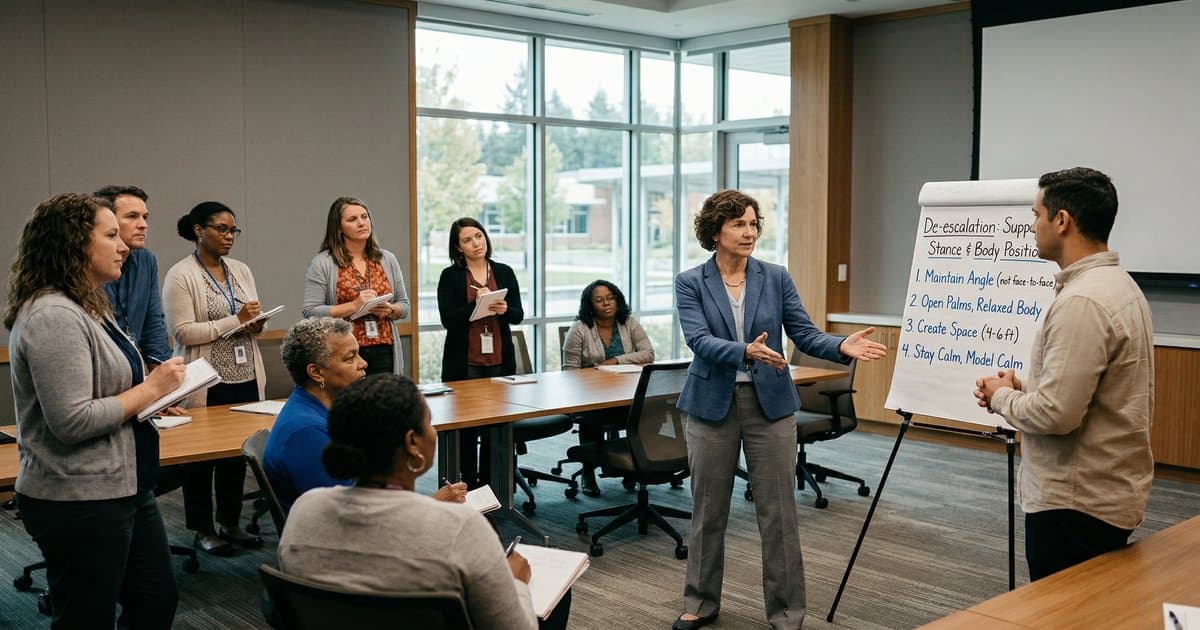
How to Compare Physical Intervention Training for Schools
Choosing the right physical intervention training is one of the most consequential safeguarding decisions a school makes. The provider you select shapes how...
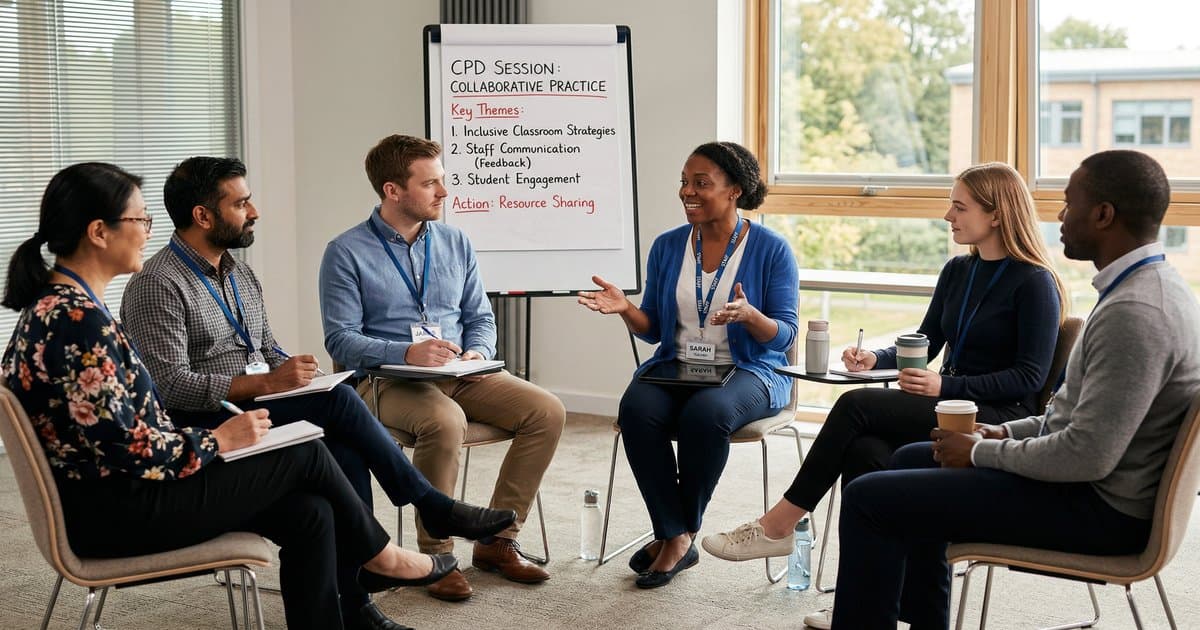
Physical Intervention Training for Schools
The best physical intervention training makes itself unnecessary. What schools should expect from a course, how the law applies, and why prevention should take up most of the time.
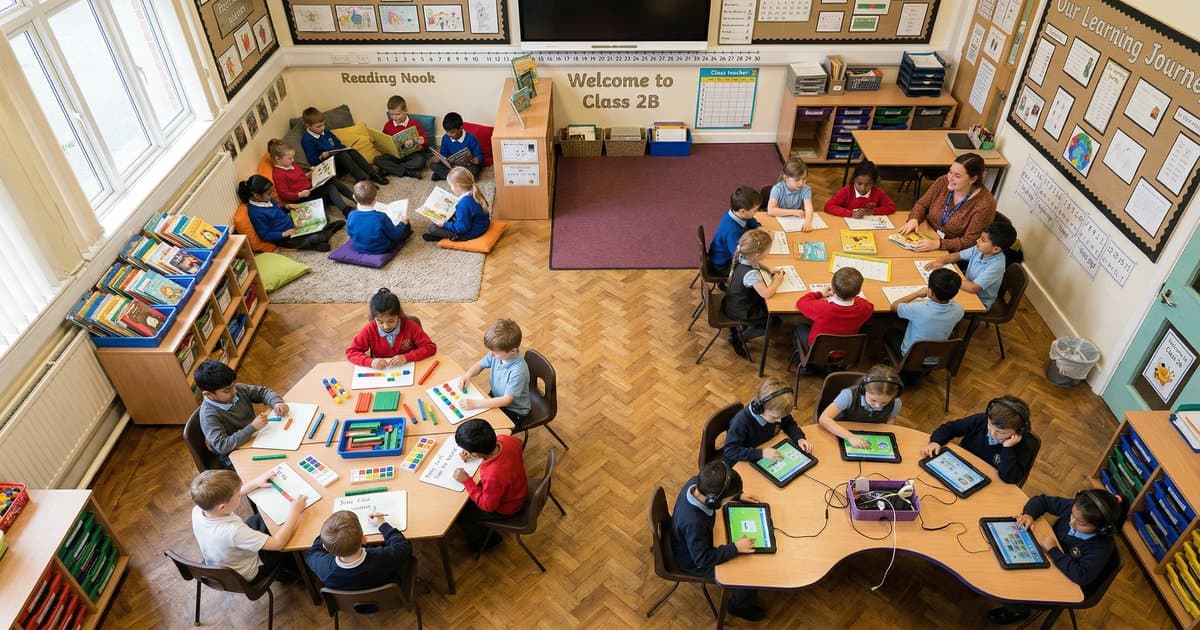
Differentiated Instruction for Diverse Learners
Differentiated instruction for diverse learners means adapting what you teach, how you teach it, and how pupils show their understanding, so that every...

SCCIF 2026 Update: What It Means for Children's Homes
On 1 April 2026, Ofsted updated the Social Care Common Inspection Framework (SCCIF) for children's homes. The SCCIF 2026 update sharpens the focus on...

Trauma-informed vs Trauma-responsive: The Key Difference
Trauma-informed vs Trauma-responsive: The Key Difference The terms trauma-informed and trauma-responsive are sometimes used interchangeably, but...
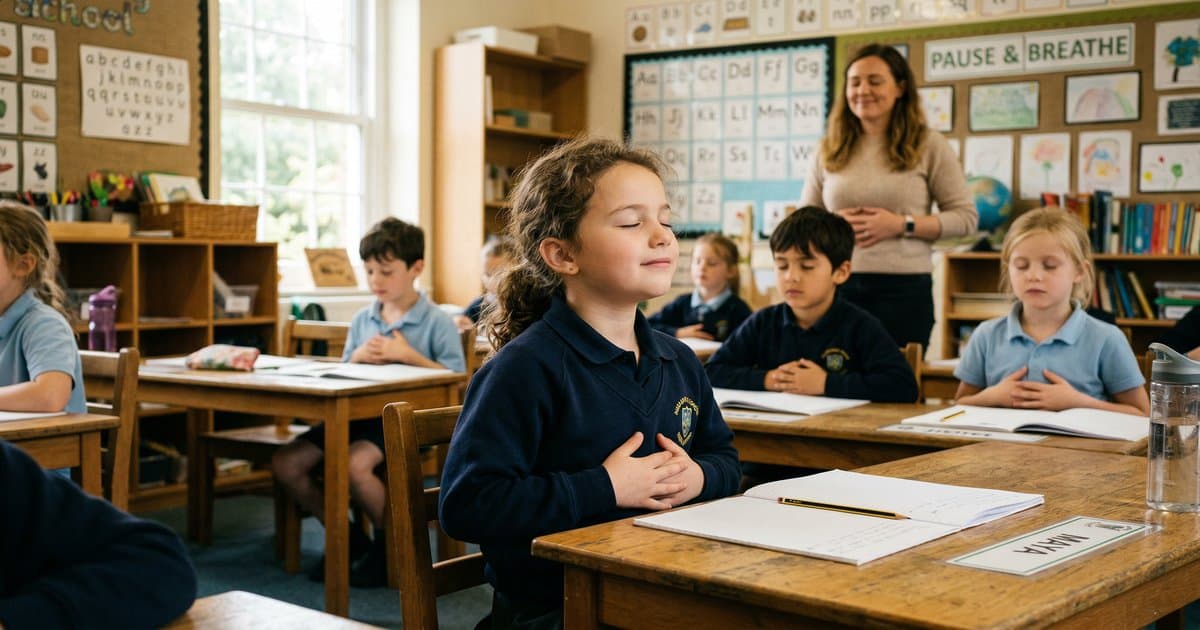
Self-Regulation in the Classroom: Practical Strategies
Self-regulation in the classroom is the teachable ability for pupils to notice what they feel, manage impulses, and return to a...
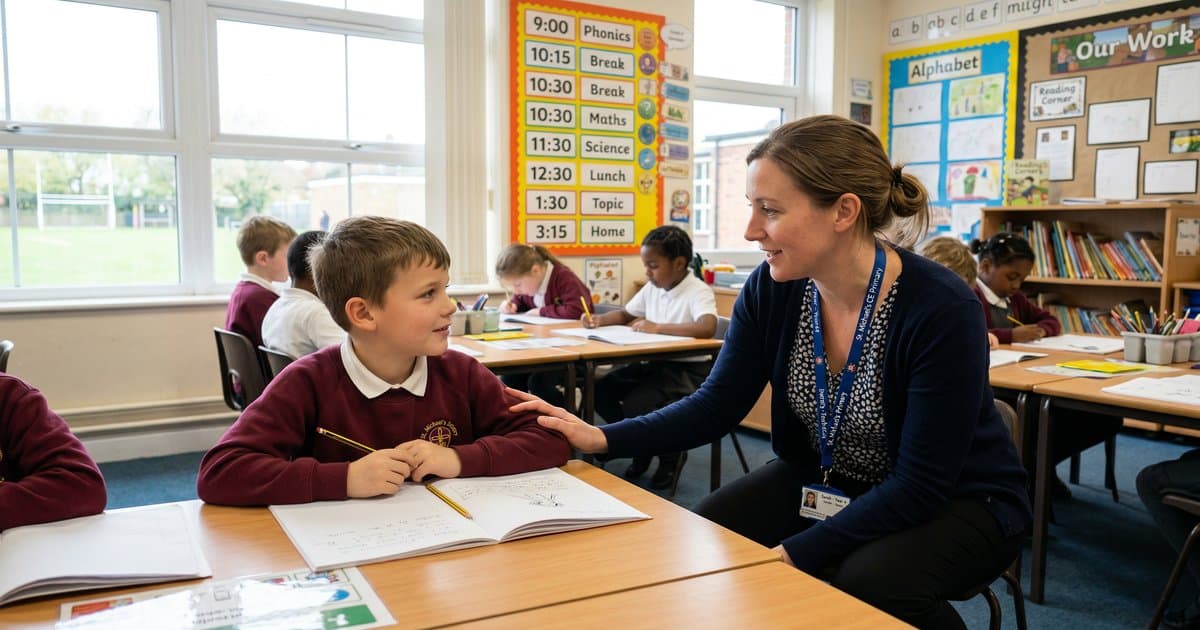
Trauma-Informed Strategies for Classroom Behaviour
Trauma-informed classroom behaviour strategies are practical ways to prevent and respond to behaviour by recognising how stress and...
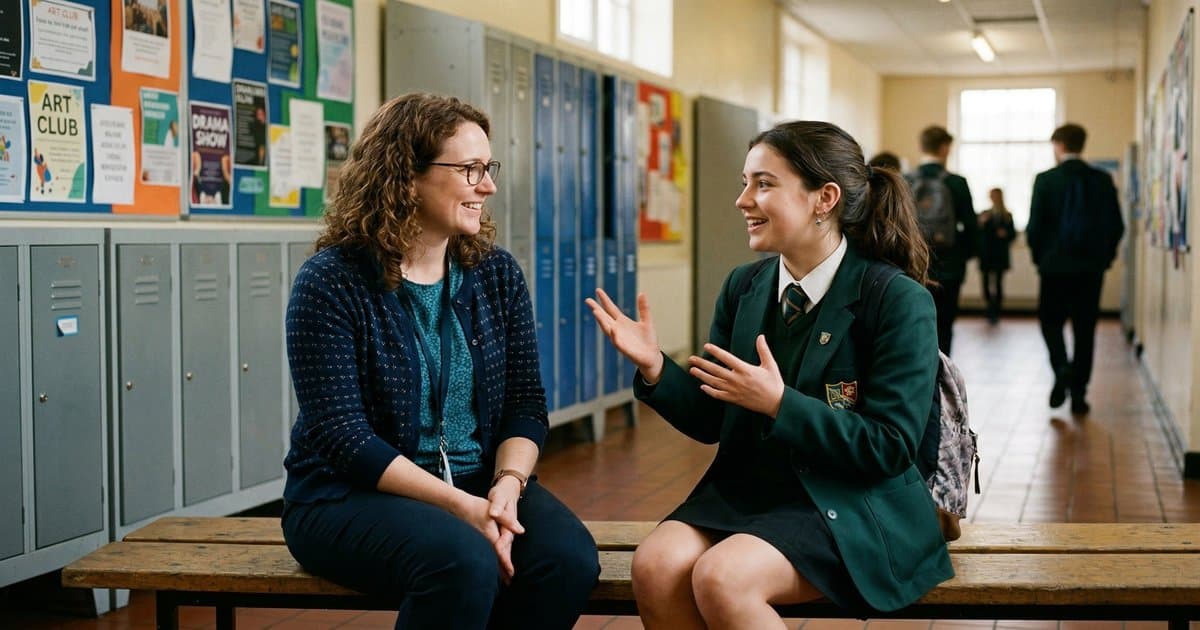
Building Trust in Trauma-Informed Teaching: A School Guide
Building trust in trauma-informed teaching means creating the conditions where a student's nervous system feels safe enough to learn. For...

Trauma-Informed Behaviour Strategies: A School Guide
Trauma-informed behaviour strategies for schools shift the question from "what is wrong with this pupil?" to "what has happened to this...

Healing Through Connection in Children's Homes Guide
Healing through connection in children's homes is not a philosophy that sits alongside therapeutic care: it is the mechanism by which...
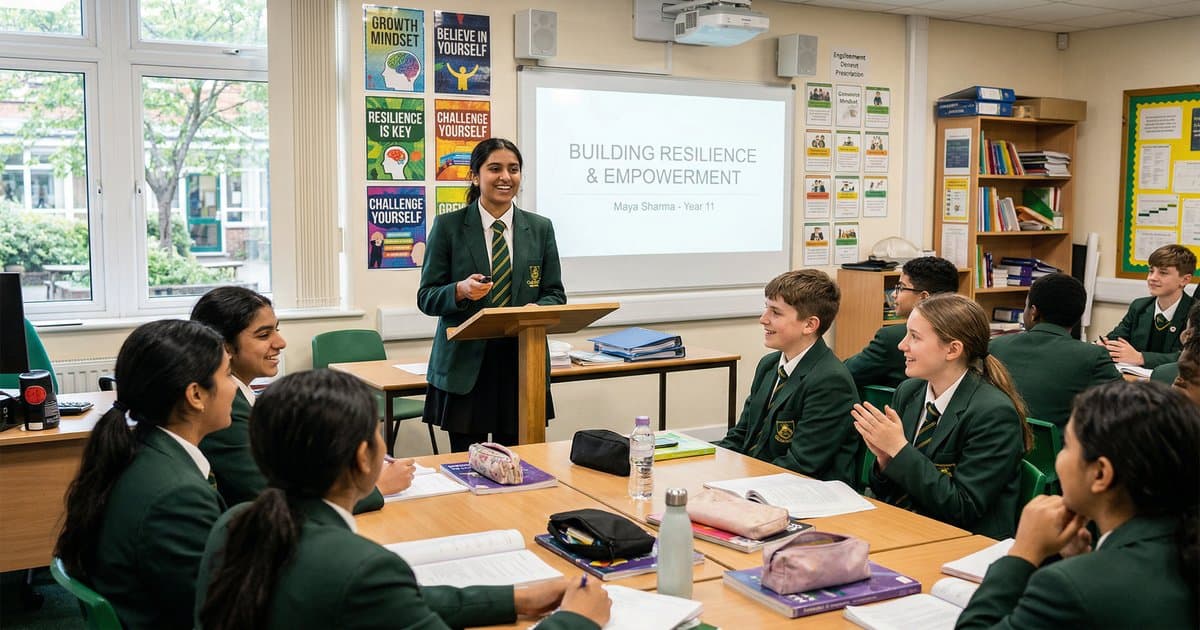
Building Resilience in Students' Mental Health
Building resilience in students’ mental health means strengthening a young person’s ability to adapt to stress, recover from setbacks, and...
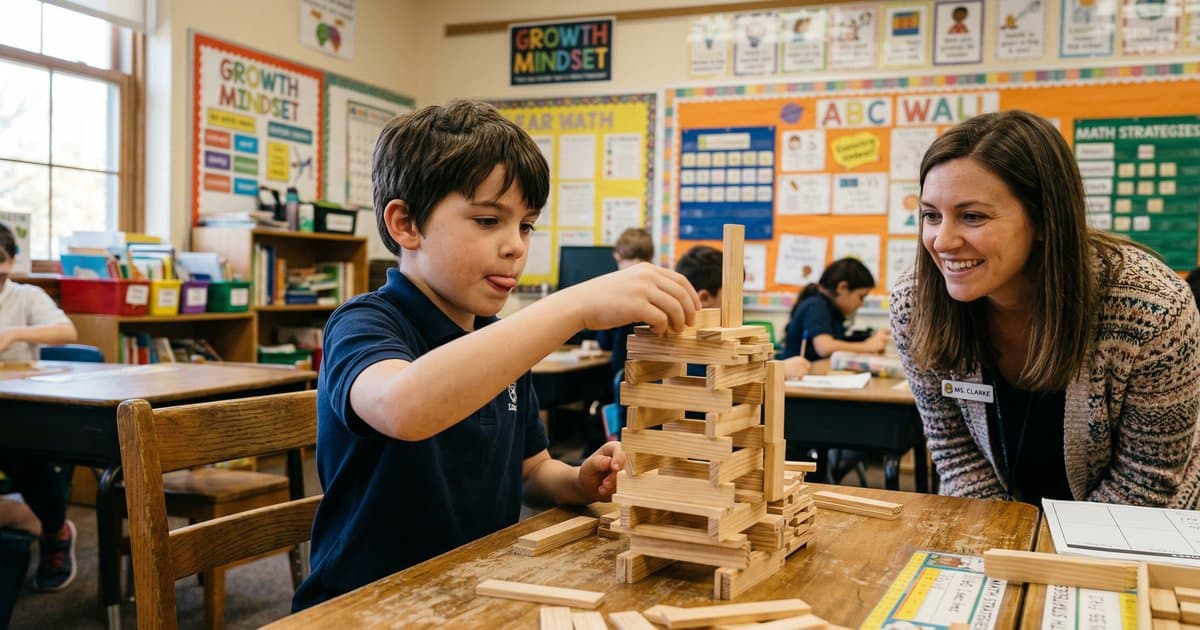
Executive Function Skills in Students: A Teacher's Guide
Executive function skills in students determine how well they plan, focus, remember instructions and regulate their emotions during the...
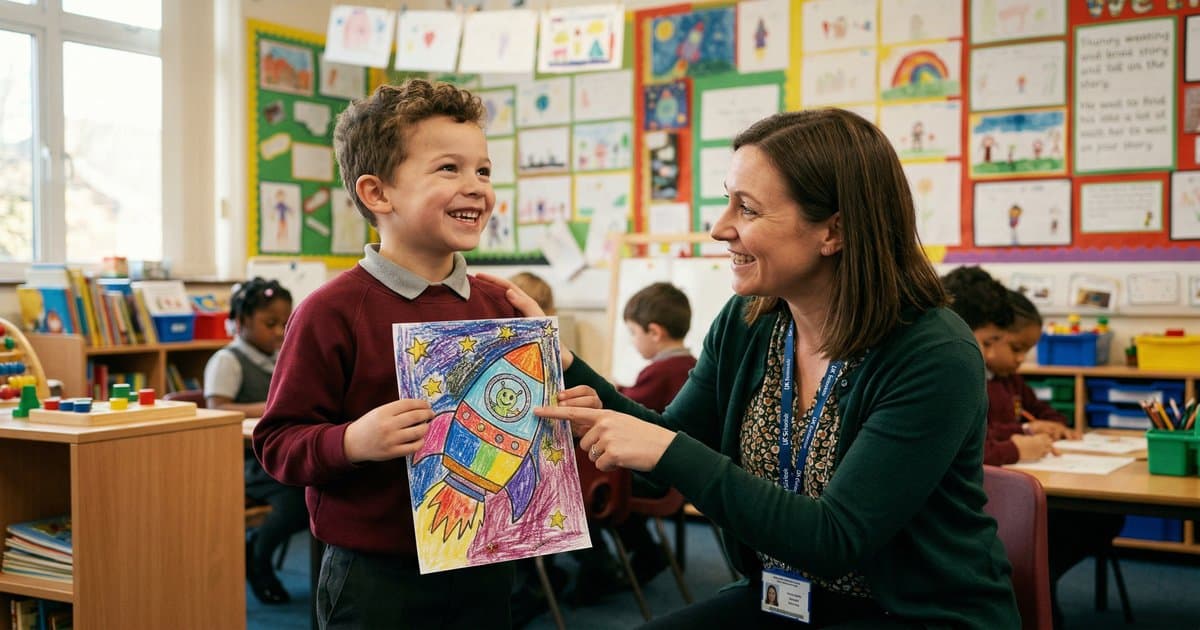
Positive Reinforcement in Schools: A Teacher's Guide
Using positive reinforcement in schools effectively means more than handing out stickers or praise. It means understanding what motivates...
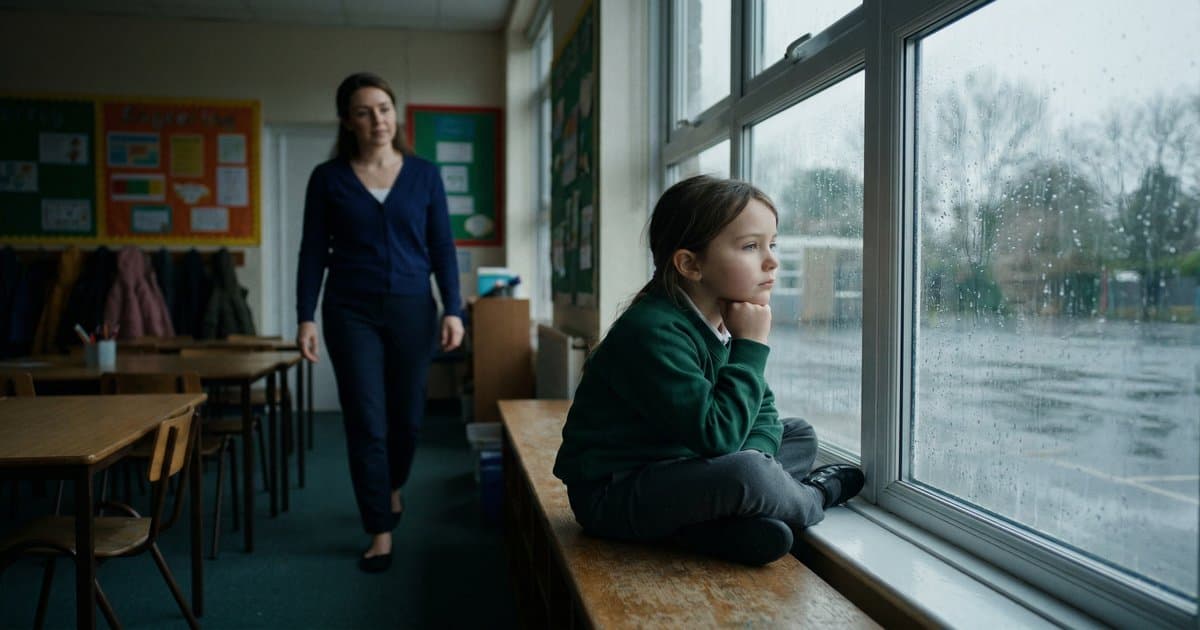
Adverse Childhood Experiences (ACEs): Trauma-Informed Teaching
Adverse Childhood Experiences (ACEs) are stressful or traumatic events in childhood - such as abuse, neglect or household adversity - that...

Trauma-Responsive Care: Beyond Behaviour Management
Trauma-responsive care is a whole-team way of supporting people where behaviour is understood as communication of stress, fear or unmet...
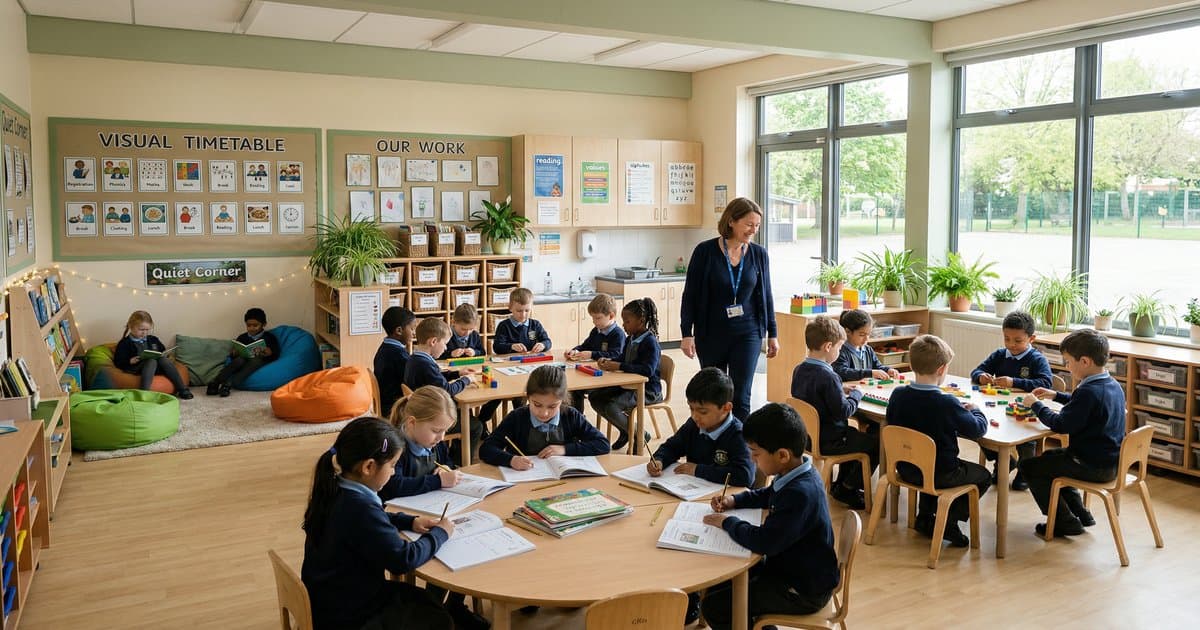
Trauma and Learning: How to Build a Trauma-Sensitive Classroom
Trauma can significantly affect learning because a child’s brain may prioritise safety over thinking, which can reduce attention, memory,...
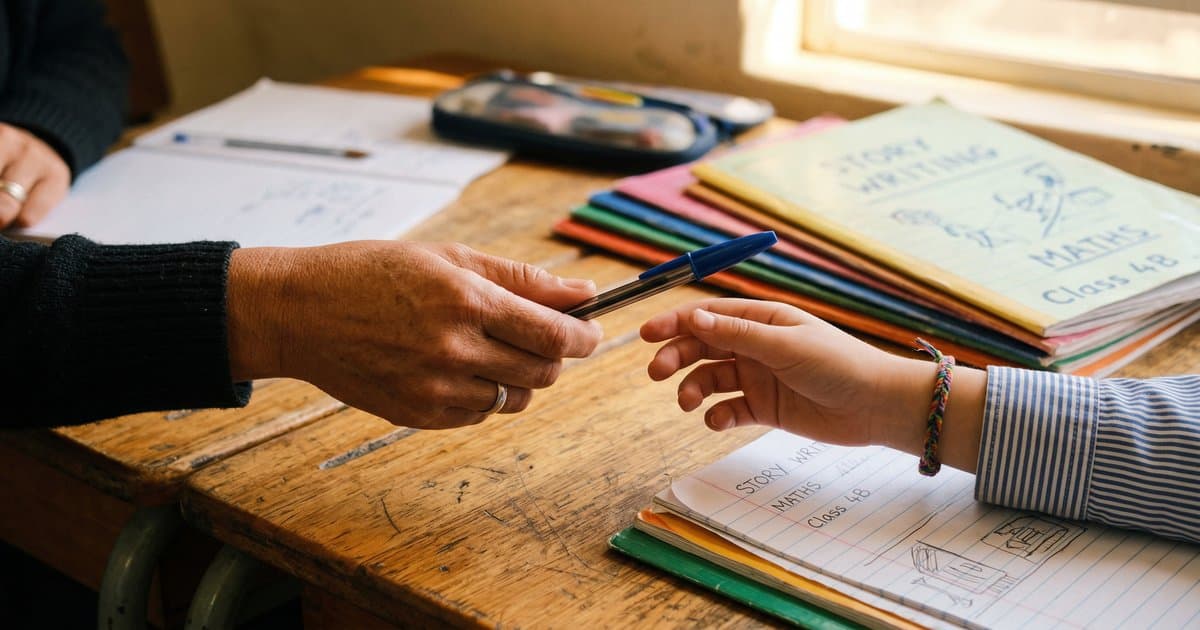
Trauma-Informed Teaching: Build Trust & Relationships
Trauma-informed teaching is a relationship-led approach where adults build trust through safety, predictability and respectful repair, so...
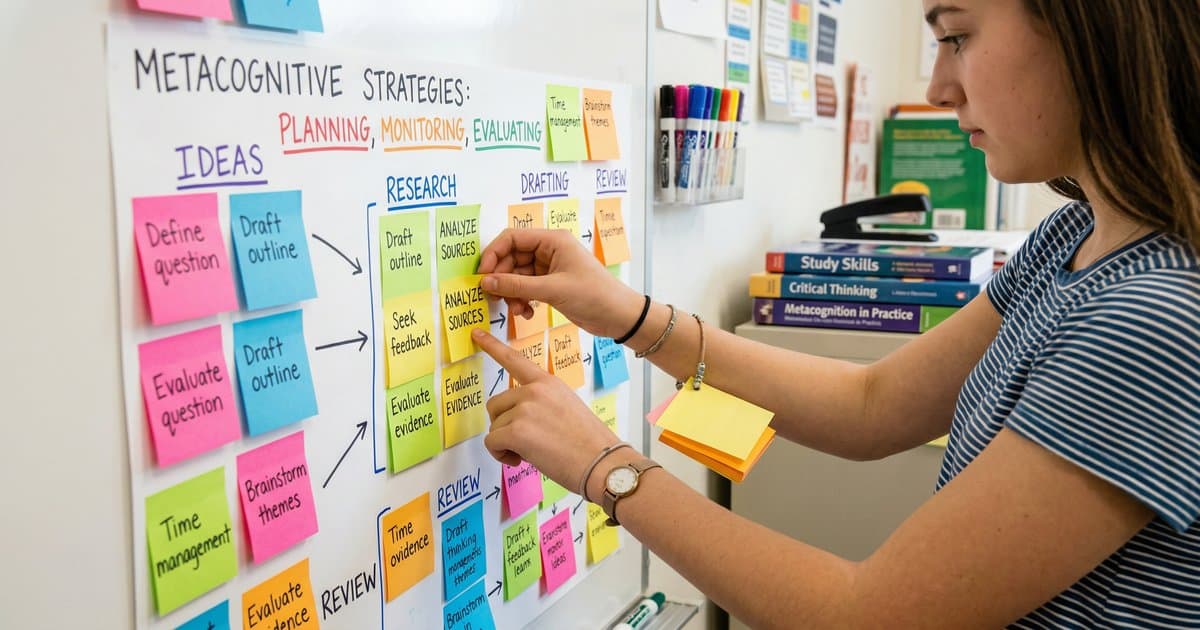
Working Memory Strategies for Students: Tools That Work
Working memory strategies, tools and activities for students work best when they reduce cognitive load and make key information easy to hold, rehearse and...
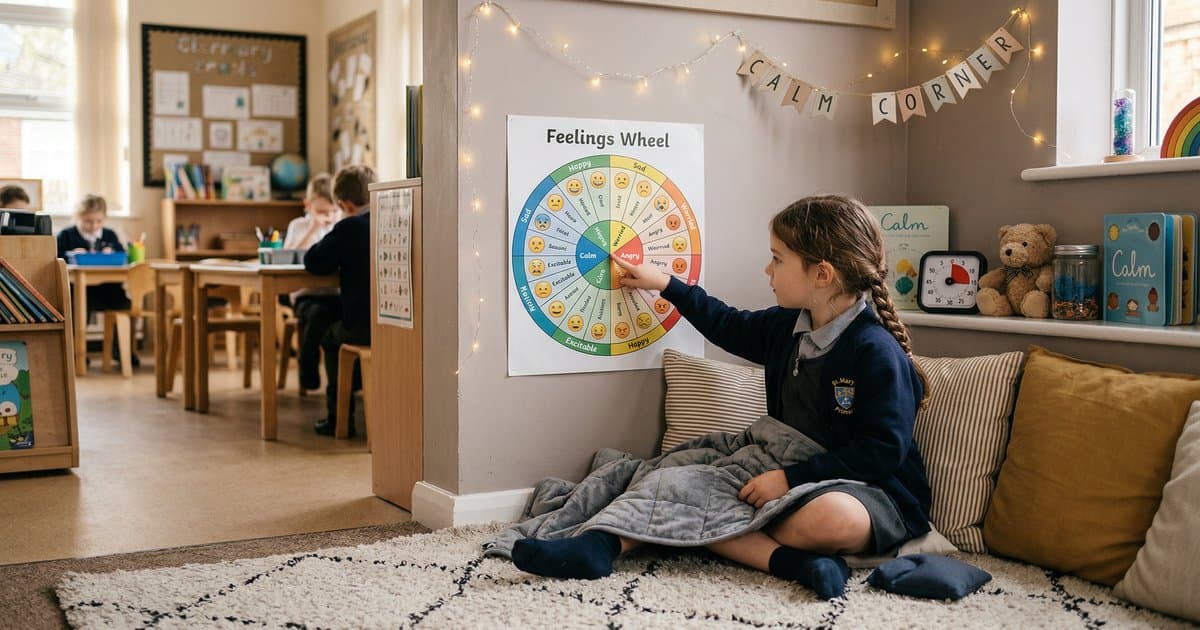
Supporting Emotional Regulation in Trauma-Informed Teaching
Supporting emotional regulation in trauma-informed teaching is the day-to-day practice of helping pupils move from stress-driven survival...
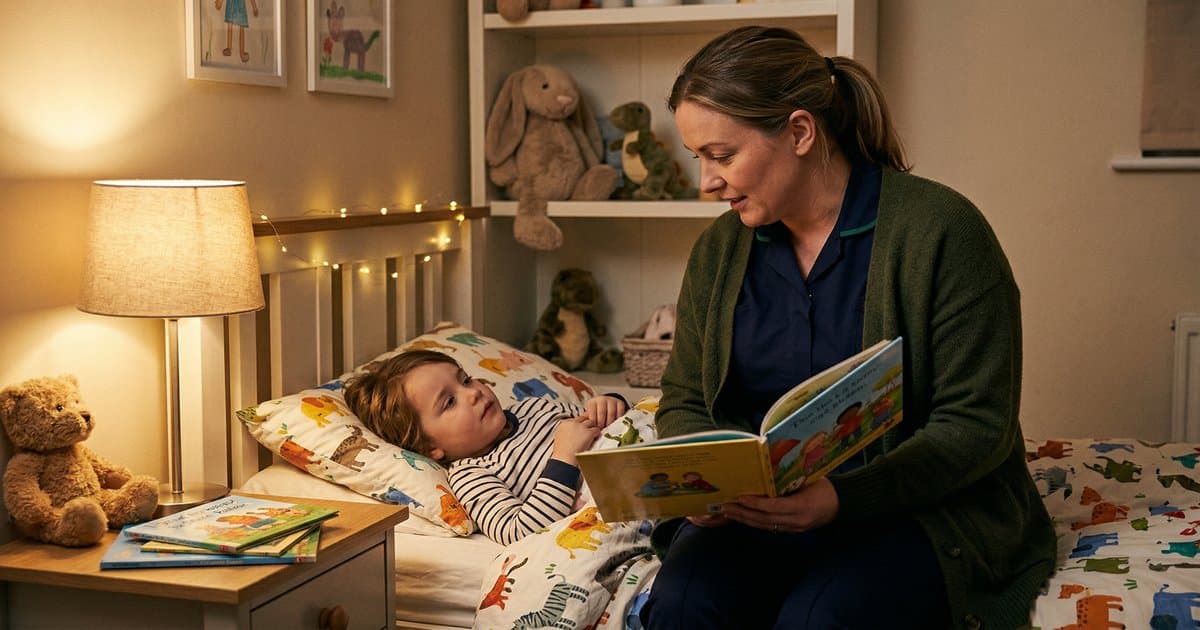
Building Resilience in Children Through Secure Attachment
Secure attachment is the trusting, protective relationship a child develops when adults respond consistently, kindly, and reliably -...
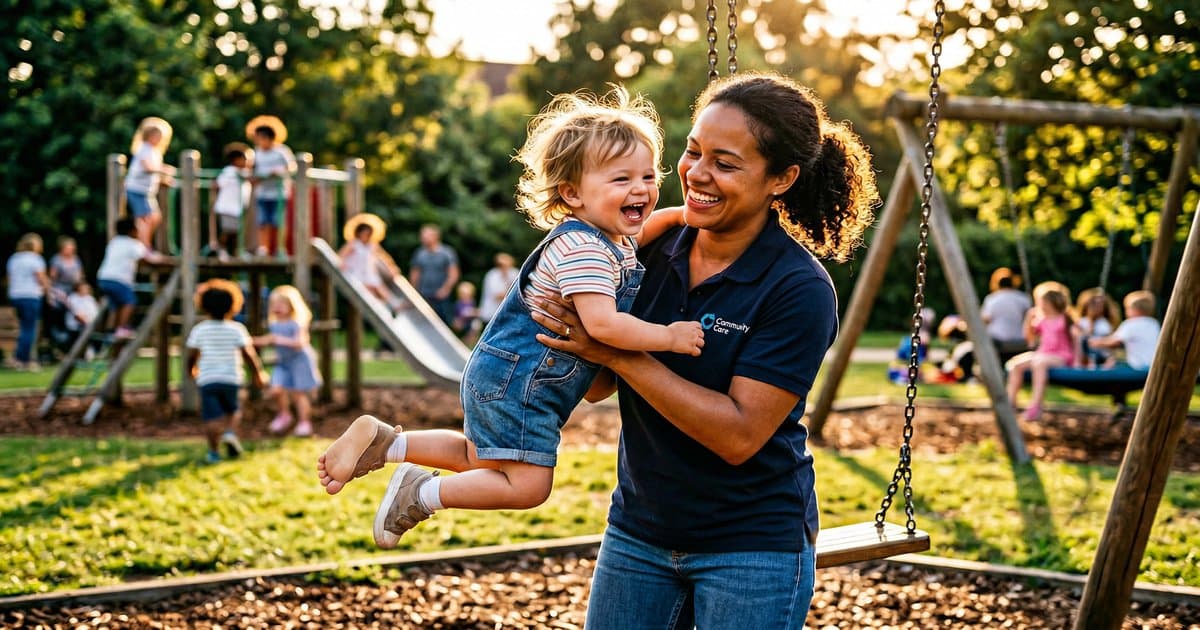
Dan Siegel’s 4 S’s: Building Secure Attachment in Care
Dan Siegel’s 4 S’s of secure attachment is a simple relationship framework that explains what people need from the adults around them to...
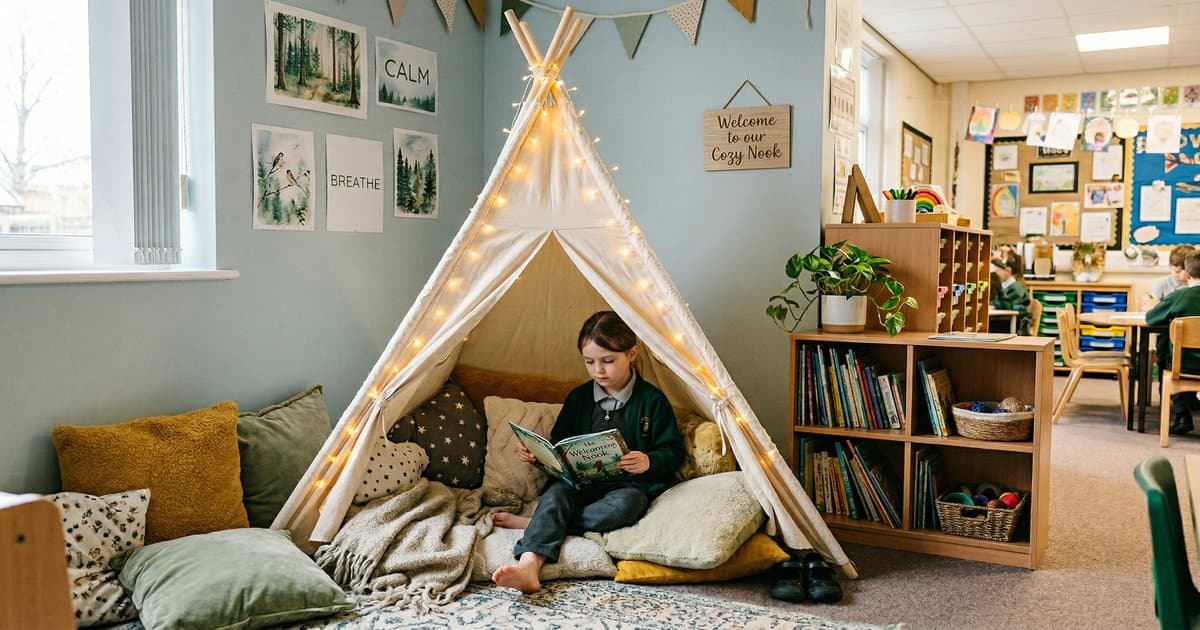
Trauma-Informed Classroom Safe Spaces: Practical Strategies
A trauma-informed classroom safe space is a planned part of everyday teaching that helps pupils feel physically and emotionally secure, regulate stress and...
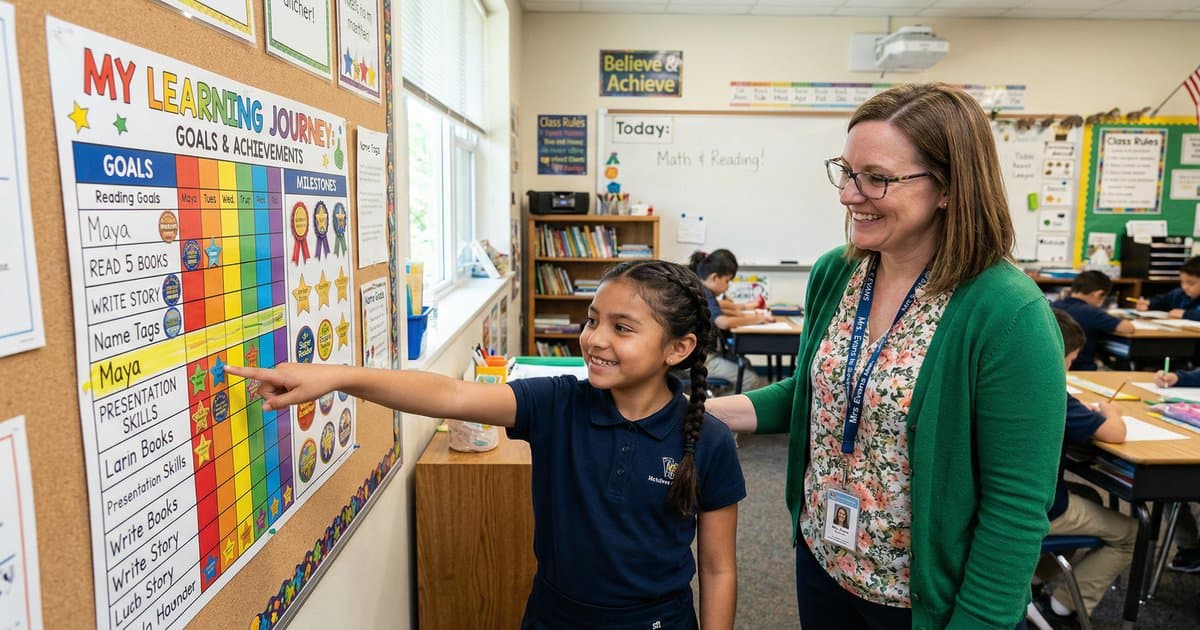
Goal Setting in the Classroom: Practical Planning Skills
Goal setting in the classroom is a practical, teachable routine that helps pupils choose a clear target, plan the steps, and review...
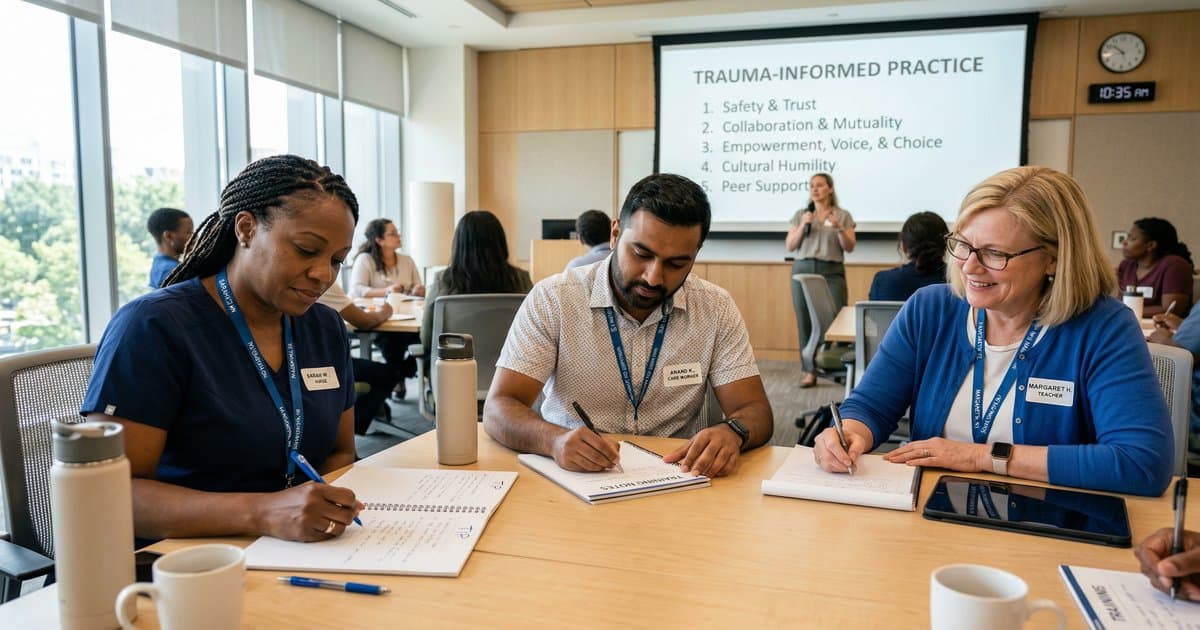
What Is Trauma-Informed Practice? A Complete Guide for Care Professionals
Trauma-informed practice is a whole-organisation approach to support that recognises how trauma can shape behaviour, relationships and...