Trauma-informed schools
Articles for school staff on trauma, ACEs, attachment, regulation and SEMH, with practical classroom strategies for building a trauma-informed school.
View our trauma-informed schools training →Showing 11 articles on this topic, newest first.
SEMH training for schools: what good provision looks like
SEMH stands for social, emotional and mental health. In schools, it is often used as a shorthand for a wide range of needs that can show up as anxiety,...
Choosing trauma-informed training for your school: a buyer's checklist
For a pupil whose distress comes from past trauma, the adult response matters more than any technique. What good trauma-informed training gives school staff, and how to tell whethe
Self-Regulation in the Classroom: Practical Strategies
Self-regulation in the classroom is the teachable ability for pupils to notice what they feel, manage impulses, and return to a...
Trauma-Informed Strategies for Classroom Behaviour
Trauma-informed classroom behaviour strategies are practical ways to prevent and respond to behaviour by recognising how stress and...

Building Trust in Trauma-Informed Teaching: A School Guide
Building trust in trauma-informed teaching means creating the conditions where a student's nervous system feels safe enough to learn. For...

Trauma-Informed Behaviour Strategies: A School Guide
Trauma-informed behaviour strategies for schools shift the question from "what is wrong with this pupil?" to "what has happened to this...
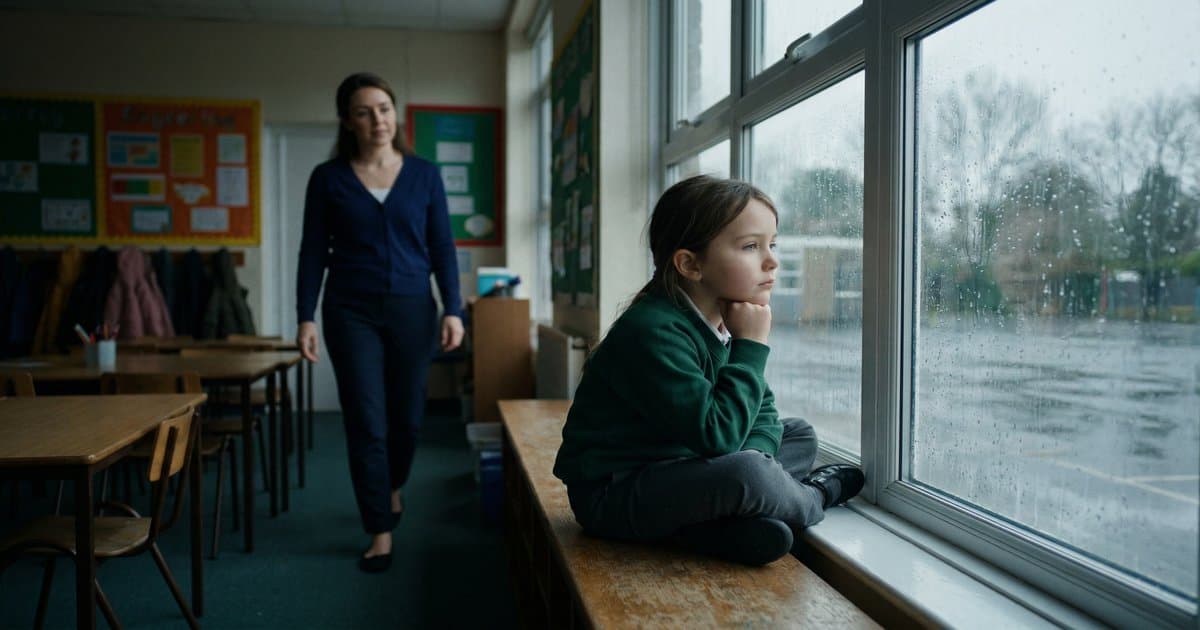
Adverse Childhood Experiences (ACEs): Trauma-Informed Teaching
Adverse Childhood Experiences (ACEs) are stressful or traumatic events in childhood - such as abuse, neglect or household adversity - that...
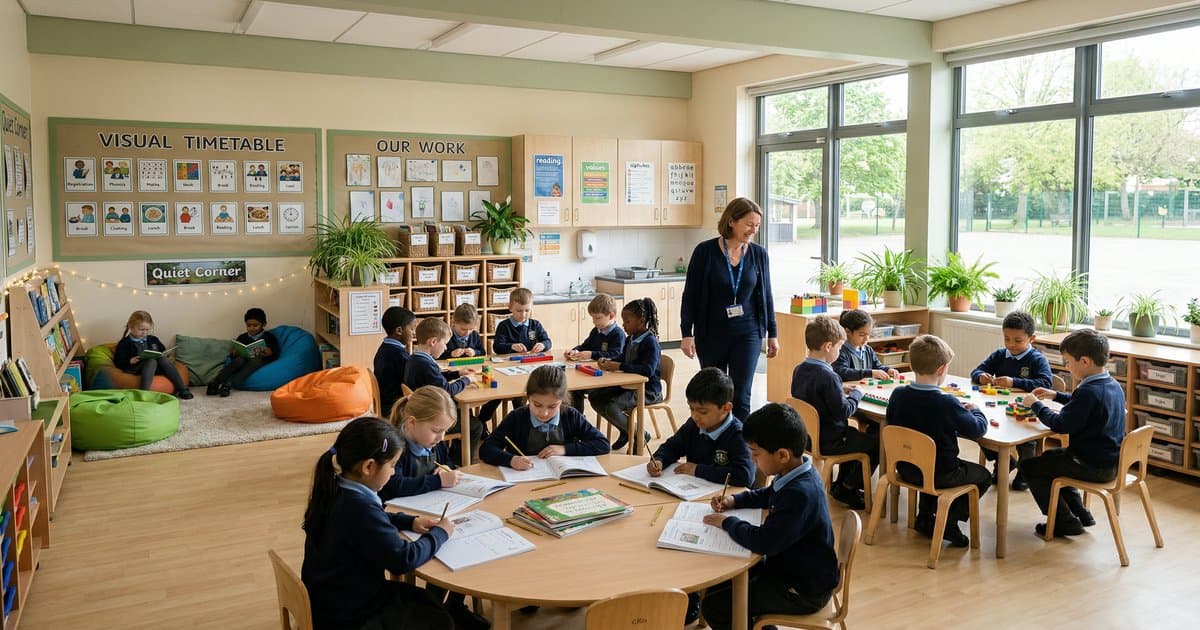
Trauma and Learning: How to Build a Trauma-Sensitive Classroom
Trauma can significantly affect learning because a child’s brain may prioritise safety over thinking, which can reduce attention, memory,...

Trauma-Informed Teaching: Build Trust & Relationships
Trauma-informed teaching is a relationship-led approach where adults build trust through safety, predictability and respectful repair, so...
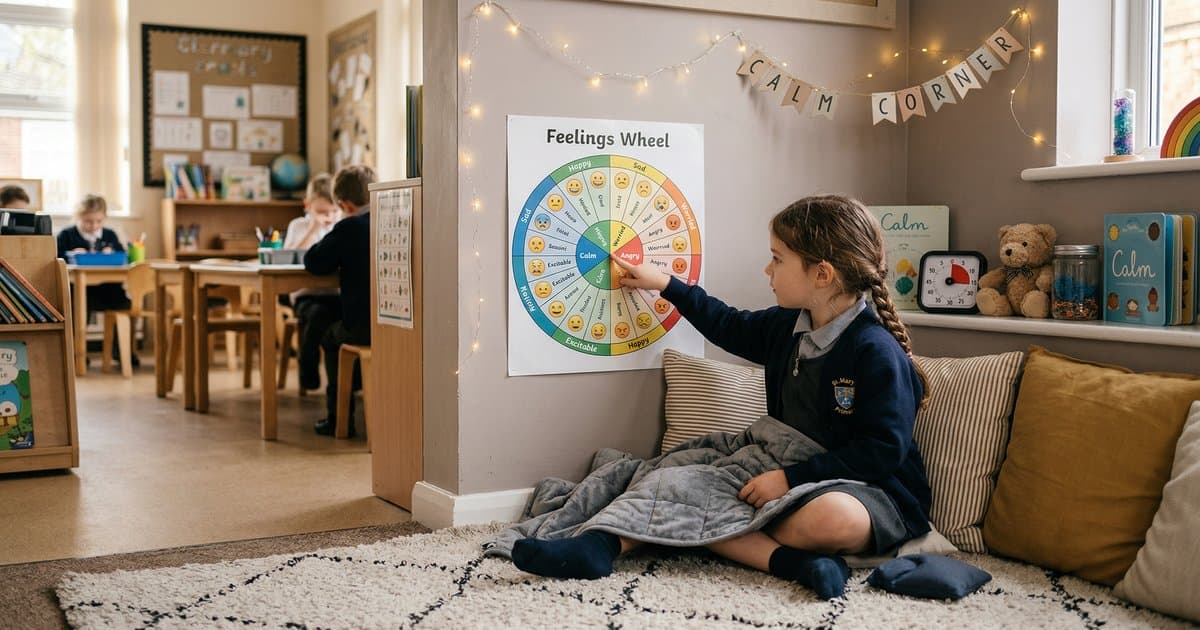
Supporting Emotional Regulation in Trauma-Informed Teaching
Supporting emotional regulation in trauma-informed teaching is the day-to-day practice of helping pupils move from stress-driven survival...
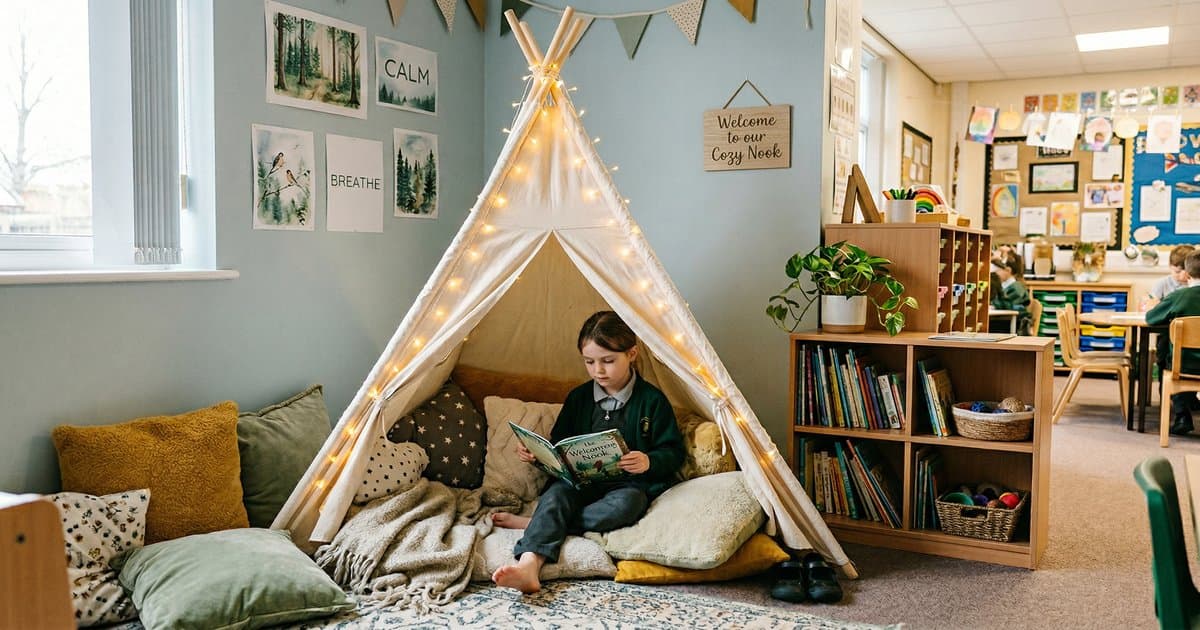
Trauma-Informed Classroom Safe Spaces: Practical Strategies
A trauma-informed classroom safe space is a planned part of everyday teaching that helps pupils feel physically and emotionally secure, regulate stress and...