Free practice guides
Download free, evidence-based guides for your team. Practical tools covering trauma-informed behaviour support, reducing restrictive practices, and building safer environments in care and education settings.
Guide for Staff Support Children with Anxiety
Supporting Children with High Anxiety: A Guide for Staff on Trauma-Informed Care & Relationship Building Many children in residential care live with high levels of anxiety, often shaped by trauma, loss and repeated change. This can show up in ways that are easy to misread, from outbursts and withdrawal to stomach aches and difficulty sleeping. This guide helps staff understand where that anxiety comes from, how trauma affects the developing brain, and what can help children feel safe. It includes practical examples for different age groups and simple strategies for building trust, from calming techniques to small things you can do in a child's first days with you. The Guide includes the following: - Understanding Anxiety in Residential Settings - The Impact of Instability and Relationship Breakdowns - Group Living and Sibling-Type Behaviour - The Importance of Connection Before Correction - Understanding and Addressing Toxic Stress - Strategies for Building Trust and Relationships

The Ultimate Guide To PACE
Welcome to the ultimate guide on using Dan Hughes’ PACE with children. Parenting is a complex journey, and it can sometimes be challenging to navigate through the ups and downs of raising children. However, with the PACE model developed by renowned psychologist Dan Hughes, parents have access to a powerful tool that can transform their relationship with their children. In this guide, we will delve into the basics of the PACE model and explain how it can be implemented in your parenting journey. We will explore the four fundamental elements of PACE – Playfulness, Acceptance, Curiosity, and Empathy – and discuss their importance in fostering healthy child development. The Guide includes the following: - Understanding the Basics: Introduction to the PACE Model - Implementing PACE: A 6-Step Guide - How To Use “I Wonder” Statements - How to Use PACE in Difficult Situations - Benefits and Challenges of Using PACE
Guide to Understanding and Managing Shame
A Guide to Understanding & Managing Shame: Supporting Children in Residential Care Shame is one of the most powerful and least understood emotions. For children who have experienced trauma, it can be triggered by everyday words and situations, and often shows up as withdrawal, people-pleasing, lying or rage. This guide explains what shame is, how to recognise it, and how adults can respond in ways that reduce it. It includes common phrases that can trigger shame, alternative scripts for younger children, older children and teenagers, and a section on why staff wellbeing plays such an important part in a shame-aware home. The Guide includes the following: - What Is Shame and Why It Matters in Residential Care - How to Recognise Shame: The Shields Against Shame - Words and Situations That Can Trigger Shame - Scripts for Addressing Shame Triggers - Building Shame Resilience Through Safe Accountability - The Importance of Staff Wellbeing
From High Turnover to High Performance
From High Turnover to High Performance: A Manager's Guide to Building Stronger, Connected Teams Managing a team in a children's home brings high emotional demands, and these can lead to turnover, low morale and burnout. This guide looks at how managers can build teams that are more stable, more connected and better able to support the children in their care. Drawing on trauma-informed principles, attachment theory and research on high-performing teams, it offers practical strategies for supervision, debriefing and building resilience. It also includes a reflective practice guide and a CPD reflective account template for use with staff. The Guide includes the following: - Trauma-Informed Practice for Teams - Recognising Attachment Patterns and Trauma Responses in Staff - Running Effective, Trauma-Informed Debriefs - Secondary Trauma and the Empathy Balloon - The Secure Base Model and Reflective Supervision - Lessons from High-Performing Teams and Building Resilience
The Guide to our Nervous System and Vagus Nerve
The Guide to Our Nervous System and Vagus Nerve Our nervous system is constantly scanning for signs of safety and danger, often before we are aware of it. When a child moves into fight, flight or freeze, their ability to think, reason and communicate is reduced, which is why talking things through so often does not work in the moment. This guide introduces the vagus nerve and Polyvagal Theory, and explains how adults can help children feel safe through the way they are and the spaces they provide. It includes practical activities to use with children, reflective exercises for adults, and a template for exploring what a child may be responding to. The Guide includes the following: - The Vagus Nerve and Polyvagal Theory - What Impacts Our Nervous System - Introducing the Vagus Nerve to the Children You Support - Establishing Ventral Vagal Anchors - Exercises to Develop Emotional Literacy - Increasing Signals of Safety
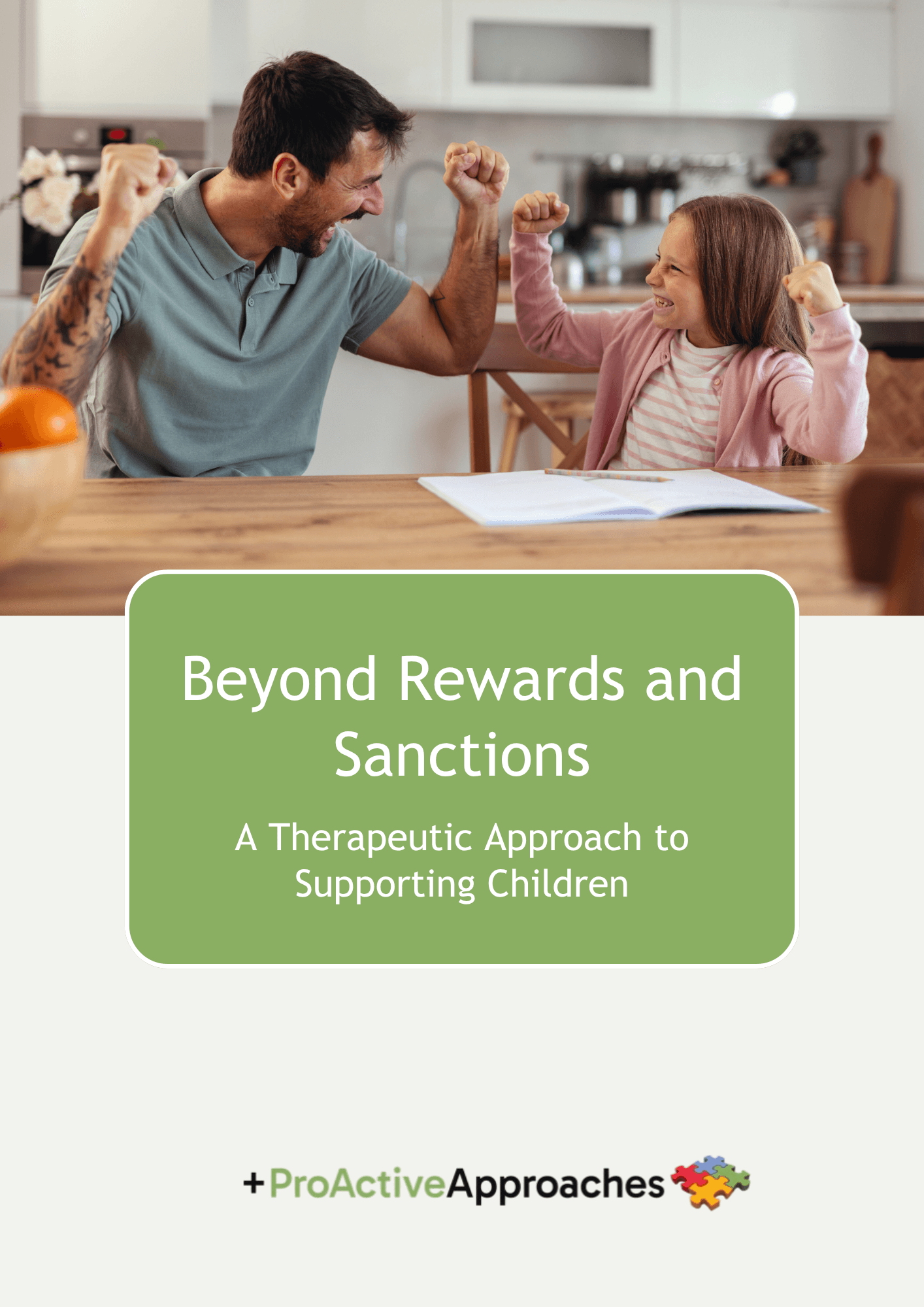
Beyond Rewards and Sanctions: A Therapeutic Approach to Supporting Children
Sticker charts, points systems and the removal of privileges are familiar in many residential, fostering and education settings. While well intentioned, they often fail to meet the needs of children who have experienced trauma, attachment disruption and shame, and can sometimes make things harder. This guide explains why traditional reward and consequence systems so often fall short, and offers a practical, relationship-based alternative. Drawing on the work of Bruce Perry, Dan Siegel and Tina Payne Bryson, Ross Greene, Dan Hughes and others, it gives carers, staff and leaders clear strategies they can use in everyday situations, along with real scenarios showing what a therapeutic response looks like in practice. The Guide includes the following: - Understanding Why Rewards and Consequences Often Fail - The Missing Elements: Trauma, Attachment and Toxic Shame - A Therapeutic Alternative to Rewards and Consequences - Implementing a Therapeutic Approach to Behaviour - Overcoming Challenges and Sustaining Change - Practical Scenarios and Solutions