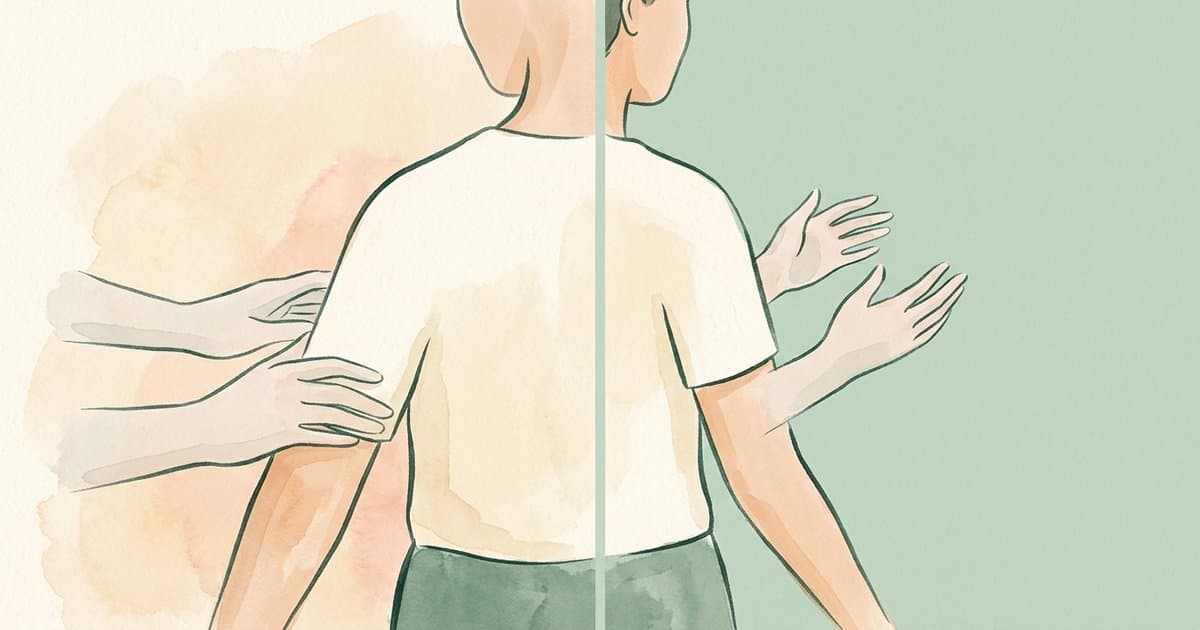
When a young person is distressed, staff can feel a strong pull to act quickly. That pressure can lead to inconsistent practice, avoidable risk, and relationships that take longer to repair. This article sets out a practical approach to safer holds and safer releases in children’s settings, with a clear focus on prevention, proportionality, and post-incident learning.
If you are responsible for policy, training, or quality assurance, you will know that the detail matters: when staff step in, how they communicate, what they do with their hands and bodies, and how they exit safely. This is not about “winning” a situation. It is about reducing harm, maintaining dignity, and returning everyone to a calmer baseline as soon as possible.
For an overview of related training, you may also want to explore our training overview for your setting, which links out to relevant courses and implementation support.
Why holds and releases need as much attention as prevention
Most organisations invest time in de-escalation frameworks, and that is a good thing. However, serious incidents often hinge on what happens in the last few minutes: the decision to intervene physically, the mechanics of the hold, and the timing and method of the release. If those steps are unclear, staff may improvise, which increases the likelihood of injury, allegations, and loss of trust.
It also helps to recognise that the “release” phase is where risk can spike. People can move suddenly as contact reduces. Staff may relax too early. The child may feel a surge of frustration or fear. A well-planned release is therefore a core safety skill, not an afterthought.
Key principles for safer practice in children’s services
- Least restrictive first: start with what can keep everyone safe without physical contact, and keep trying those options alongside any intervention.
- Proportionality: match the response to the current level of risk, not the frustration of the moment.
- Dignity and respect: protect privacy, avoid language that shames, and keep communication calm and simple.
- Time-limited action: physical intervention should be as brief as possible and end as soon as risk reduces.
- Health awareness: consider breathing, circulation, pain, fatigue, recent illness, medication effects, and neurodivergent sensory needs.
Key takeaways
- Safer releases reduce injuries, complaints, and re-escalation.
- Staff need a shared decision model for when to intervene and when to stop.
- Practice improves fastest when the team reviews early warning signs, not just the incident peak.
A practical decision model: when to intervene physically
In children’s services, physical intervention is typically considered when there is an immediate risk of harm to the child or others, or when serious property damage is likely to create unsafe conditions. The exact thresholds should be defined in local policy, aligned to your safeguarding and behaviour policies, and taught consistently.
As a practical guide for on-the-spot decision making, many teams benefit from asking:
- What is the specific risk right now (harm, self-harm, weapons, dangerous environment)?
- What have we already tried, and did it reduce or increase distress?
- Do we have enough staff to intervene safely, or do we need to withdraw and call for support?
- Are there any known medical or trauma-related factors we must take into account?
- Is there a safer option, such as clearing others away and giving space?
CTA: If your staff are unsure about thresholds and safe technique, consider a structured course focused on safer interventions and governance via physical intervention training.
Preparing the environment before contact
Wherever possible, improve safety by shaping the environment before making contact. This can include moving other children away, removing obvious hazards, and using clear verbal roles so everyone knows what they are doing. Even 10 to 20 seconds of preparation can lower risk.
Role clarity: who leads, who supports, who observes
Teams work best when roles are explicit:
- Lead communicator: speaks to the child, keeps language consistent, and avoids multiple instructions.
- Primary support: helps manage space and positioning, watches for signs of fatigue or pain.
- Observer/safety lead: scans for hazards, monitors breathing and distress signs, and prompts an earlier release if risk reduces.
This approach is especially important in services that support children with communication needs. A calm, predictable pattern reduces sensory overload and can prevent a second escalation.
Safer holding: positioning, communication, and monitoring
Specific techniques must be taught and practised through accredited training and in line with your organisation’s policy. This article is not a substitute for training. However, there are common features of safer practice that apply across many programmes.
Body positioning and balance
Staff should aim to maintain their own balance and avoid positions that place weight onto the child’s torso. Unsafe positioning can increase risk, including breathing compromise and panic. A stable stance, clear exits, and avoiding sudden directional pulls can make a significant difference.
Communication during the hold
Short, consistent phrases help. Examples include:
- “We are keeping everyone safe.”
- “You are not in trouble.”
- “We will let go when your body is safer.”
- “Let’s take one breath together.”
Avoid threats, bargaining, or lengthy explanations while distress is high. The goal is to reduce stimulation, not add to it.
Monitoring and welfare checks
Monitoring should be continuous, not occasional. Watch for changes in colour, breathing pattern, eye contact, and responsiveness. Build a habit of asking a quick welfare question when appropriate, such as “Can you take a breath?” or “Are you hurt anywhere?” This is not a box-tick; it is a real-time safety measure.
Safer release: how to reduce risk in the transition
Release is often where injuries happen. The child may pull away, drop weight, or swing limbs as contact changes. Staff can reduce risk by planning the exit and ensuring everyone understands the steps.
What a planned release looks like
- Signal the release: the lead communicator tells the child what is happening in a calm voice.
- Reduce restriction gradually: step down the level of contact while maintaining a safe distance.
- Create space immediately: staff move back to give room, rather than lingering close.
- Keep a clear pathway: avoid blocking the child into a corner unless safety requires containment.
- Offer a regulated next step: a simple choice, like sitting, drinking water, or moving to a calmer area.
In many settings, the best next step after release is “supported space”: staff remain nearby, but not crowding. This supports dignity and reduces the risk of re-escalation.
Early release cues
Staff need shared cues for when risk is reducing. These can include a reduction in muscle tension, slower breathing, less shouting, or a shift from trying to strike to trying to communicate. Agree in advance what “safer” looks like for each child. This also supports fair, consistent decisions across staff teams.
CTA: If your service is trying to reduce physical interventions overall, a whole-setting approach such as restraint reduction training can help align prevention, response, and learning.
Common pitfalls and how to prevent them
1) Too many voices
Multiple staff giving instructions can heighten distress. Agree that one person speaks, and others keep communication minimal.
2) Waiting too long to plan the exit
If staff focus only on “holding on”, the release becomes rushed and reactive. Train staff to think about the exit from the moment contact begins.
3) Treating the incident peak as the whole story
Most learning comes from the run-up: triggers, environmental stressors, sensory overload, unmet needs, staff responses, and early warning signs. If you only review the hold, you miss the prevention opportunities.
4) Not adapting for neurodivergent needs
Some children experience touch as threatening or painful. Others may have a strong need for predictability or may become distressed by eye contact. Individual plans should reflect these needs, and staff should practise alternatives, such as giving more space, reducing verbal load, and using visual supports.
Legal and guidance considerations in the UK
Children’s services must align physical intervention practice with safeguarding duties, health and safety obligations, and relevant statutory guidance. Policies should clearly state when physical intervention may be used, who is authorised, how incidents are recorded, and how welfare is checked after an event. Inspectors and commissioners typically look for evidence that practice is consistent, risk assessed, and reviewed.
Citation hook: For a plain-English summary of the statutory framework that influences positive behaviour support and restrictive practices in children’s settings, many teams start with the Working Together to Safeguard Children guidance.
Citation hook: Services also often refer to the Department for Education’s guidance on keeping children safe in education for expectations around safeguarding culture and reporting, including the latest version of Keeping children safe in education.
After the incident: debrief, repair, and learning
What happens afterwards determines whether the relationship strengthens or fractures. Children often remember the emotion and the perceived meaning, not the technical detail. A supportive, respectful debrief can reduce shame and build safer coping strategies.
Child-centred debrief (when regulated enough)
- Start with emotional safety: “Are you okay?” “Do you need water?”
- Use simple reflection: “What was happening for you?” “What would help next time?”
- Agree one small next step: a signal, a break card, a safe space routine, a check-in plan.
Staff debrief and management oversight
Staff also need a structured debrief to reduce burnout and improve consistency. Keep it factual, compassionate, and focused on learning. A helpful format is: what we noticed early, what we tried, what worked, what increased distress, and what we will do next time. Management should look for patterns across incidents and update plans accordingly.
CTA: For broader support around policy, recording, and consistent practice in children’s settings, explore our dedicated resources for children’s services.
FAQs
How do we decide when to stop a hold?
Agree in advance what “risk reducing” looks like for each child, and use a shared prompt for early release. Stop as soon as the immediate risk is reduced and staff can step back safely, while continuing supportive communication.
What should we record after a physical intervention?
Record the reason for intervention, what alternatives were tried, who was involved, how long it lasted, any injuries or welfare concerns, and what learning or plan updates follow. Make sure recording is consistent across staff and reviewed by management.
How can we reduce the number of physical interventions overall?
Focus on early prevention: consistent routines, sensory supports, staff communication skills, functional understanding of behaviour, and post-incident learning. Whole-setting approaches can align training, policy, and practice.
What if a child repeatedly re-escalates after release?
Look for patterns in the release environment: crowding, too much talking, immediate demands, or unresolved needs. Consider adjusting the release plan to include more supported space, predictable steps, and clearer repair conversations once calm returns.
Conclusion
Safer holds and safer releases rely on preparation, consistent team roles, calm communication, continuous monitoring, and a planned exit. When those elements are in place, incidents are shorter, injuries are less likely, and repair is faster. Most importantly, teams learn more from the early warning signs than from the incident peak.